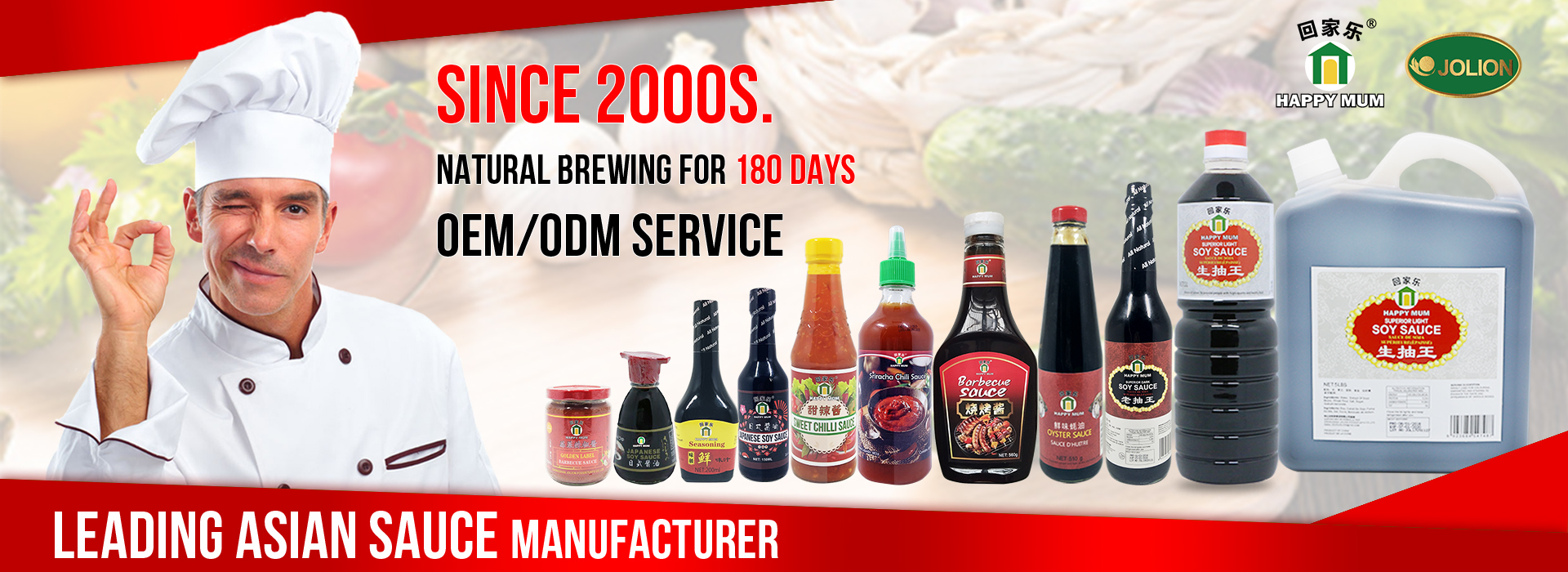
Is MSG Bad for You? The Science-Backed Truth About Monosodium Glutamate Side Effects
So, is MSG bad for you? For most people, no—not when it is consumed in normal food amounts. MSG is the sodium salt of glutamic acid, a naturally occurring amino acid that creates umami in soups, sauces, snacks, and prepared foods. Concerns mainly come from old reports and high-dose experiments that do not reflect ordinary meals. If you still have questions about the ingredient itself or how it is produced, JOLION Foods’s guide to MSG manufacturing explains the fermentation, purification, and crystallization process in clear terms.
History & Debunking — How Unhealthy Is MSG Actually?
In normal food amounts, MSG is not considered broadly unhealthy. Much of MSG’s negative reputation began with a 1968 letter in the New England Journal of Medicine describing numbness, weakness, and palpitations after a Chinese restaurant meal. The author listed cooking wine, high sodium intake, and MSG as possible causes but established none of them.
Media coverage amplified the claim, while later animal studies often used extreme doses or injections unlike normal eating. Today, the FDA considers added MSG “generally recognized as safe” (GRAS), and controlled studies have not consistently reproduced reactions.
The better way to answer “is MSG bad for you?” is to separate personal reports from controlled evidence. Safety depends on dose, eating conditions, the complete recipe, and the rules of the destination market. These points are clearer in current regulatory assessments and scientific studies.
Science-Backed Facts — What Does the Science Actually Say about MSG?
For most consumers, the evidence supports a clear answer: MSG is safe to eat when used at normal culinary levels and within local food-additive rules. MSG provides glutamate that is chemically indistinguishable from the glutamate naturally present in foods, and the body metabolizes both sources in the same way.
The most relevant evidence therefore comes from scientific studies and regulatory reviews - not injections, extreme doses, or animal experiments that do not reflect normal eating conditions.
Current Scientific and Regulatory Snapshot
Taken together, these findings show that normal culinary exposure differs substantially from the conditions used in many alarming experiments. None of the assessments shows that a typical MSG-seasoned meal is inherently harmful.
So, is MSG bad for you at ordinary intake levels? Current evidence does not establish that normal culinary use causes brain damage or chronic conditions such as dementia, epilepsy, obesity, or diabetes. Findings from injections, extreme doses, or animal models cannot be directly applied to food intake.
Who Should Be Cautious When Eating MSG?
Most people do not need to avoid MSG, but anyone who repeatedly notices symptoms, manages sodium intake, or follows a condition-specific diet should consider the full meal and personal medical advice. For readers asking “is MSG bad for you” in a specific health situation, here are four common questions and the main takeaways.
Takeaway Questions
Is MSG Linked to Dementia?
l No. Current human evidence has not established that normal dietary MSG causes dementia. Animal studies using high doses or non-dietary exposure cannot be applied directly to ordinary meals. People with cognitive conditions should follow individualized medical guidance rather than removing one ingredient based on an unproven link.
Does MSG Trigger Epilepsy?
l No, not at normal dietary levels based on current human evidence. Glutamate acts as a neurotransmitter in the brain, but most dietary glutamate is metabolized in the gut, and the blood-brain barrier regulates entry into brain tissue. People with epilepsy should still discuss personal food triggers with a clinician.
Is MSG Okay for Hypertension?
l Yes, in measured amounts, but total sodium still matters. MSG contains about one-third as much sodium by weight as table salt and may help reduce sodium when it replaces part of the salt. Restaurants and manufacturers should calculate the finished serving rather than assume an automatic low-sodium benefit.
Is Monosodium Glutamate Legal in the USA?
l Yes. MSG is legal for use in U.S. foods. When directly added, the ingredient list must name “monosodium glutamate”; it cannot be hidden as “spices” or “flavoring.” Claims such as “No MSG” also require careful review when a formula contains ingredients that naturally supply free glutamate.
JOLION Foods — Your Trusted Global MSG Supplier
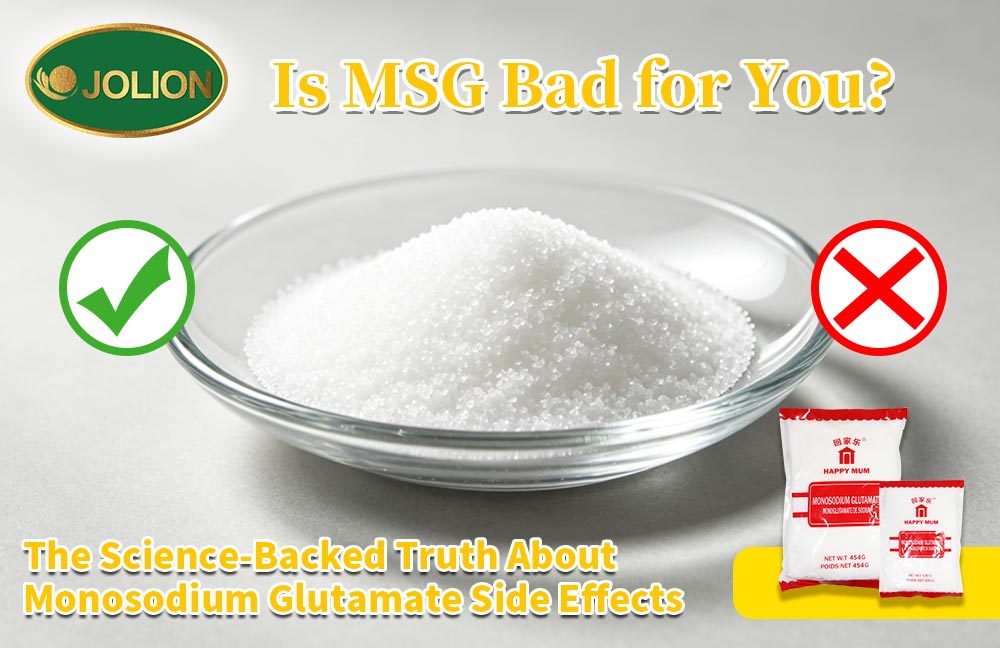
JOLION Foods supplies MSG for restaurants, distributors, supermarkets, food manufacturers, private-label brands, and international traders. We offer retail and bulk formats, multiple purity and mesh options, and packaging adapted to different sales channels. Buyers can review our MSG range and discuss the required specifications with our team.
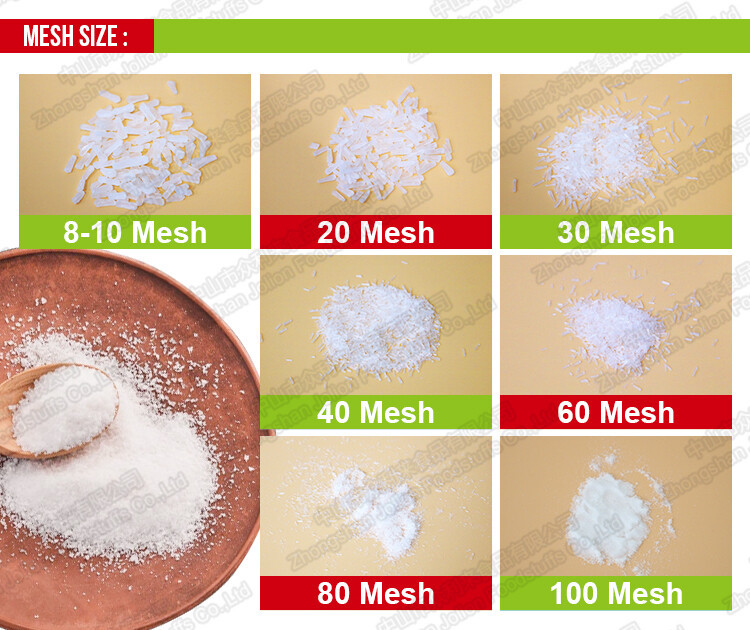
For customized seasoning projects, our OEM and private-label service can support formulation coordination, label and packaging development, sample review, and production planning. Contact JOLION Foods to request current specifications, supporting documents, packaging options, and a quotation for your market.
Related News
- Aug 06, 2026Low Sodium Soy Sauce: Is It Actually Healthier, and How Does It Compare to Light Soy Sauce?
- Aug 06, 2026Is MSG Bad for You? The Science-Backed Truth About Monosodium Glutamate Side Effects
- Jun 01, 2026How Long Does Canned Pineapple Last: A Complete Guide
- Jun 01, 2026How Long Does Canned Fruit Last? A Complete Guide
- May 20, 2026Choosing a Trusted Japan Wasabi Sauce Manufacturer in China for Authentic Flavor
- May 19, 2026Why Our Supply Chain Trusts This Gluten Free Soy Sauce Manufacturer in China
Start Your Seasoning Sauce Business by a Free Quote
GET FREE QUOTES
If you are interested in our services, let's have a try on the first project