- Types of Chinese Spices: Common Varieties, Uses, and Buying TipsNov 03, 2026Chinese spices bring distinctive aromas, heat, warmth, and depth to regional dishes.
- Mayonnaise Guide: Ingredients, Uses, and StorageNov 02, 2026Mayonnaise, a creamy condiment commonly used in sandwiches, salads and prepared foods, is a stable emulsion of oil and an aqueous ingredient like water or vinegar.
- Top 10 Chinese Chili Sauce Manufacturers for Wholesale and OEM BuyersOct 14, 2026As a major exporter of chili sauces, China offers global buyers a wide range of options, from mild dipping sauces to spicy chili oils and regional pastes.
Types of Chinese Spices: Common Varieties, Uses, and Buying Tips
Chinese spices bring distinctive aromas, heat, warmth, and depth to regional dishes. From star anise in slow braises to Sichuan peppercorns in spicy sauces, each ingredient contributes a different flavor and serves a particular culinary purpose. Understanding the main types of Chinese spices helps home cooks choose suitable seasonings and enables food manufacturers, importers, and distributors to make informed purchasing decisions. For commercial buyers, selecting spices involves more than flavor. Product form, consistency, food safety documentation, packaging, and destination market requirements all influence sourcing decisions. This guide explains common Chinese spices, their uses, China's role in international spice trade, and practical steps for evaluating suppliers.
What Are the Main Types of Spices Used in Chinese Cooking?
The main types of Chinese spices include aromatic whole spices, pungent spices, ground spices, and blended seasonings. Their flavor profiles and applications vary, so choosing the right ingredient starts with understanding the dish or food product it needs to support.
Aromatic Whole Spices
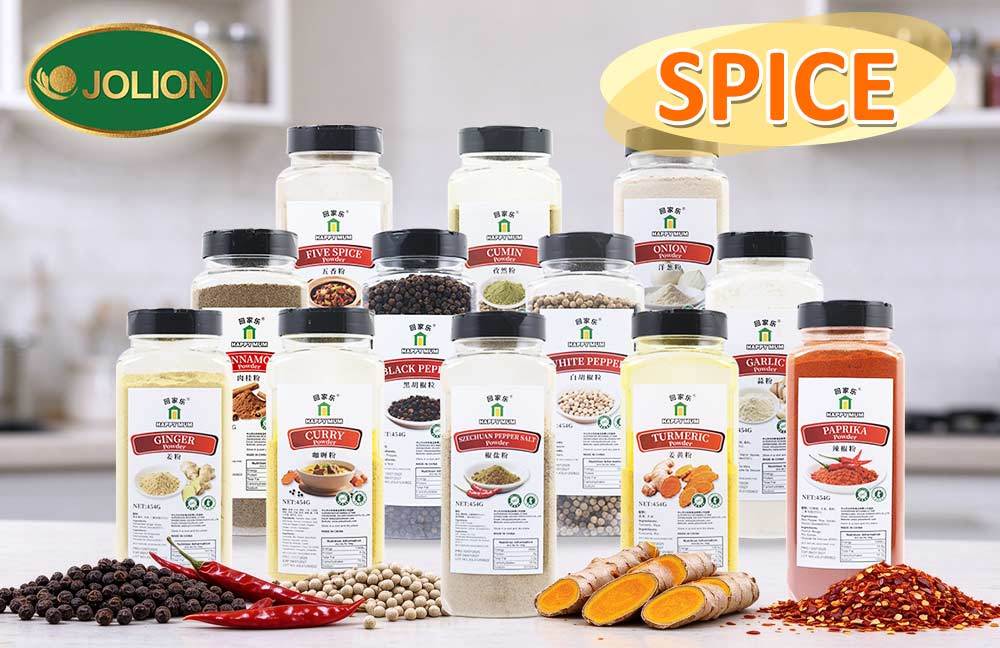
Star anise, cassia, and fennel seeds are useful when a recipe needs a rounded aroma that develops during cooking. These ingredients frequently appear in braised dishes, stocks, and seasoning blends. Whole spices are suitable for recipes that allow time for flavor extraction. However, buyers should assess aroma, visible foreign matter, breakage, and batch consistency when purchasing them in bulk.
Peppery and Pungent Spices
Sichuan peppercorns, dried chilies, black pepper, and white pepper provide different forms of pungency. Sichuan peppercorns create a characteristic tingling sensation, while chilies contribute capsaicin-driven heat. Black and white pepper provide sharper, warmer notes. These differences matter in commercial formulations. A sauce manufacturer, for example, may need a repeatable heat level and aroma profile across production batches rather than simply a product described as spicy.
Ground Spices and Blended Seasonings
Ginger powder and cumin powder are convenient when manufacturers need ingredients that can be measured and incorporated into dry mixes, marinades, sauces, or prepared foods. Ground spices can simplify production, although particle size, moisture, aroma retention, and storage conditions may affect performance. Chinese five-spice powder combines several aromatic ingredients into a ready-to-use seasoning. Buyers should verify the actual ingredient list rather than assume that every supplier uses an identical formulation.
Why Does China Export Spices?
China exports a variety of spices and seasoning ingredients to international markets. According to 2025 trade data from the World Bank's World Integrated Trade Solution (WITS), based on UN Comtrade statistics, China's ginger exports were valued at approximately US$630.4 million, with a reported quantity of 501,811 metric tons. Exports of other spices not elsewhere specified reached approximately US$33.8 million, while spice mixtures accounted for about US$15.5 million. These figures illustrate the differences in export scale across individual spice categories.
China's Spice Trade and Export Markets
China's spice exports serve a range of international markets, but trade patterns differ by product. In 2025, the Netherlands, the United States, and Japan were the leading destinations for Chinese ginger exports by value. For spice mixtures, Malaysia was the largest reported destination by value.
Factors Driving Global Demand for Chinese Spices
International demand can be supported by several practical factors: 1. Culinary diversity: Restaurants and packaged-food manufacturers need ingredients for Chinese and other Asian cuisines. 2. Convenient processing: Ground spices can be easier to measure and incorporate into standardized recipes than whole ingredients. 3. Product development: Food manufacturers may source individual spices for sauces, marinades, snacks, instant foods, and seasoning blends. 4. Supplier coordination: Importers may prefer suppliers that can discuss packaging, documentation, and product requirements before an order is placed. These factors do not guarantee that a particular spice will be more cost-effective when sourced from China. Buyers should compare product specifications, transport expenses, and total landed costs before making a decision.
Are Spices from China Safe?
Spices from China should be evaluated using the same risk-based food safety principles applied to other imported food ingredients. Country of origin alone cannot establish whether a particular batch is safe; buyers need evidence about the supplier, product, and applicable controls.
Food Safety Checks and Traceability
Commercial buyers should request documentation that matches the actual product and its intended market. Depending on the spice and the risks identified, this may include a product specification, batch identification, relevant laboratory test reports, and information about handling and storage. A practical supplier review should cover: 1. Identity and composition: Confirm the ingredient name, product form, and any additives or blended ingredients. 2. Contaminant controls: Determine whether testing covers relevant risks, such as pesticide residues, heavy metals, or microbiological hazards, where applicable. 3. Traceability: Check whether batch numbers link the goods to production and shipment records. 4. Documentation: Verify that certificates and test reports are current, authentic, and relevant to the product being purchased. The U.S. Food and Drug Administration (FDA) explains that imported foods must meet applicable U.S. safety, sanitary, and labeling requirements. Its food import guidance also describes importer responsibilities and relevant verification requirements. Certifications can support a supplier assessment, but a general company certificate is not a substitute for product-specific evidence. Ask for the documents needed for your particular ingredient, destination, and intended use.
What Should Buyers Prepare Before Importing Spices from China?
Before placing an international order, buyers should confirm the product classification, destination requirements, required documents, and final label. Preparing these details early can reduce avoidable customs delays and packaging revisions.
Import Documentation and Customs Clearance
The required paperwork depends on the product, country of origin, destination, and shipping arrangement. Buyers should work with their customs broker and supplier to establish the applicable document list before shipment. Common documents to discuss include: 1. Commercial invoice and packing list. 2. Bill of lading or air waybill, as applicable. 3. Product specification and ingredient declaration. 4. Certificate of origin, when required or commercially relevant. 5. Health, inspection, laboratory, or phytosanitary documents, where applicable to the product and destination. Do not assume that every dried or ground spice requires the same certificate. For the United States, the U.S. Department of Agriculture's Animal and Plant Health Inspection Service (USDA APHIS) advises importers to check requirements by commodity and country of origin through its plant import guidance. Food safety requirements may also apply separately.
Food Labeling and Destination Market Requirements
Labels should be reviewed against the rules of the market where the product will be sold. Depending on the jurisdiction and product category, requirements may cover the product name, ingredient list, net quantity, origin information, responsible business details, allergen declarations, and date or storage information. For foods imported into the United States, applicable labeling must be truthful, informative, and provided in English, subject to any applicable language exceptions. Importers subject to the Foreign Supplier Verification Programs (FSVP) rule must meet the applicable risk-based supplier verification requirements, subject to any relevant exemptions or modified requirements. Before approving artwork, confirm the intended product name, ingredient statement, package size, language, and any required declarations with a qualified regulatory professional or the relevant authority. Do not rely on a supplier's general export experience as proof that a particular label complies with every destination market.
JOLION Foods Ginger Powder: Production and OEM Services
JOLION Foods offers a ginger powder product for food manufacturing applications and describes OEM services that include consultation, recipe formulation, and packaging support. Buyers considering the product should evaluate its documented specifications and discuss their application and order requirements directly with the company.
Ginger Powder Product Overview
JOLION Foods offers food-grade ginger powder for use in food manufacturing applications. Ground ginger can be considered for recipes that require ginger flavor without handling fresh ginger or whole dried pieces. Its suitability will depend on the formulation, processing method, target flavor, and required finished-product characteristics.
Before purchasing, commercial buyers should request confirmation of the specifications relevant to their application, including: 1. Ingredient composition and any product standards applicable to the intended market and use. 2. Available package formats and carton configuration. 3. Shelf life and recommended storage conditions. 4. Relevant quality documents and test reports. 5. Minimum order quantity, pricing, and lead time. The product page does not establish every specification needed for a commercial purchase. Buyers should therefore obtain written confirmation rather than assume that these details are standardized across orders.
Production Workshop and Manufacturing Process
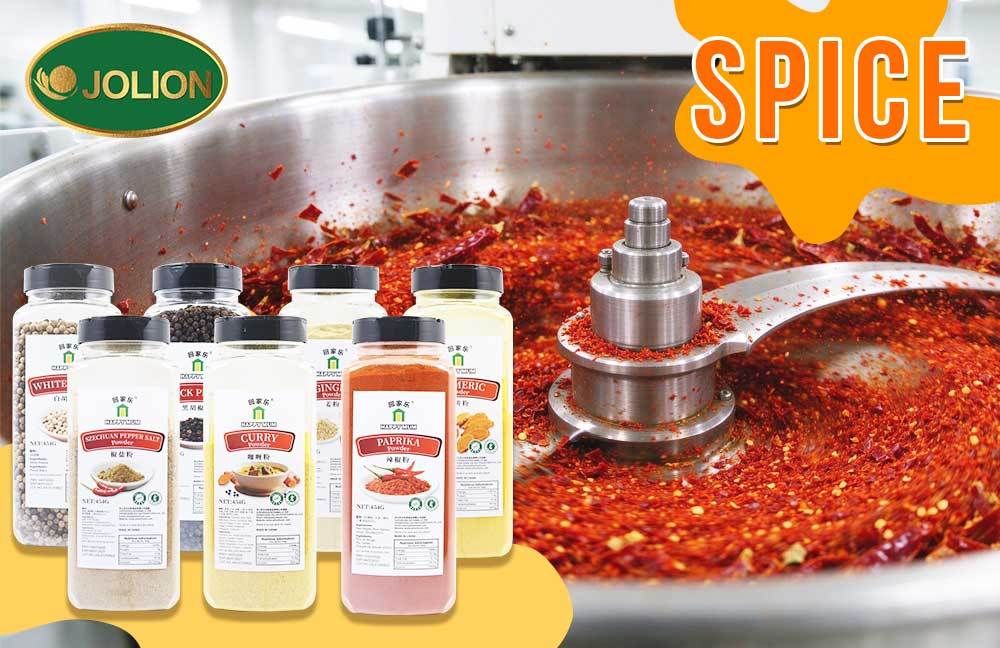
1. Spice Handling: Spices are handled along the production line. 2. Processing Equipment: The facilities include hopper-fed machinery and vibrating sieves for material handling and screening.
Whole spices are suitable for recipes that allow time for flavor extraction. However, buyers should assess aroma, visible foreign matter, breakage, and batch consistency when purchasing them in bulk.
Peppery and Pungent Spices
Sichuan peppercorns, dried chilies, black pepper, and white pepper provide different forms of pungency. Sichuan peppercorns create a characteristic tingling sensation, while chilies contribute capsaicin-driven heat. Black and white pepper provide sharper, warmer notes.
These differences matter in commercial formulations. A sauce manufacturer, for example, may need a repeatable heat level and aroma profile across production batches rather than simply a product described as spicy.
Ground Spices and Blended Seasonings
Ginger powder and cumin powder are convenient when manufacturers need ingredients that can be measured and incorporated into dry mixes, marinades, sauces, or prepared foods. Ground spices can simplify production, although particle size, moisture, aroma retention, and storage conditions may affect performance.
Chinese five-spice powder combines several aromatic ingredients into a ready-to-use seasoning. Buyers should verify the actual ingredient list rather than assume that every supplier uses an identical formulation.
Why Does China Export Spices?
China exports a variety of spices and seasoning ingredients to international markets. According to 2025 trade data from the World Bank's World Integrated Trade Solution (WITS), based on UN Comtrade statistics, China's ginger exports were valued at approximately US$630.4 million, with a reported quantity of 501,811 metric tons. Exports of other spices not elsewhere specified reached approximately US$33.8 million, while spice mixtures accounted for about US$15.5 million. These figures illustrate the differences in export scale across individual spice categories.
China's Spice Trade and Export Markets
China's spice exports serve a range of international markets, but trade patterns differ by product. In 2025, the Netherlands, the United States, and Japan were the leading destinations for Chinese ginger exports by value. For spice mixtures, Malaysia was the largest reported destination by value.
Factors Driving Global Demand for Chinese Spices
International demand can be supported by several practical factors:
1. Culinary diversity: Restaurants and packaged-food manufacturers need ingredients for Chinese and other Asian cuisines. 2. Convenient processing: Ground spices can be easier to measure and incorporate into standardized recipes than whole ingredients. 3. Product development: Food manufacturers may source individual spices for sauces, marinades, snacks, instant foods, and seasoning blends. 4. Supplier coordination: Importers may prefer suppliers that can discuss packaging, documentation, and product requirements before an order is placed.These factors do not guarantee that a particular spice will be more cost-effective when sourced from China. Buyers should compare product specifications, transport expenses, and total landed costs before making a decision.
Are Spices from China Safe?
Spices from China should be evaluated using the same risk-based food safety principles applied to other imported food ingredients. Country of origin alone cannot establish whether a particular batch is safe; buyers need evidence about the supplier, product, and applicable controls.
Food Safety Checks and Traceability
Commercial buyers should request documentation that matches the actual product and its intended market. Depending on the spice and the risks identified, this may include a product specification, batch identification, relevant laboratory test reports, and information about handling and storage.
A practical supplier review should cover: 1. Identity and composition: Confirm the ingredient name, product form, and any additives or blended ingredients. 2. Contaminant controls: Determine whether testing covers relevant risks, such as pesticide residues, heavy metals, or microbiological hazards, where applicable. 3. Traceability: Check whether batch numbers link the goods to production and shipment records. 4. Documentation: Verify that certificates and test reports are current, authentic, and relevant to the product being purchased. The U.S. Food and Drug Administration (FDA) explains that imported foods must meet applicable U.S. safety, sanitary, and labeling requirements. Its food import guidance also describes importer responsibilities and relevant verification requirements.Certifications can support a supplier assessment, but a general company certificate is not a substitute for product-specific evidence. Ask for the documents needed for your particular ingredient, destination, and intended use.
What Should Buyers Prepare Before Importing Spices from China?
Before placing an international order, buyers should confirm the product classification, destination requirements, required documents, and final label. Preparing these details early can reduce avoidable customs delays and packaging revisions.
Import Documentation and Customs Clearance
The required paperwork depends on the product, country of origin, destination, and shipping arrangement. Buyers should work with their customs broker and supplier to establish the applicable document list before shipment.
Common documents to discuss include: 1. Commercial invoice and packing list. 2. Bill of lading or air waybill, as applicable. 3. Product specification and ingredient declaration. 4. Certificate of origin, when required or commercially relevant. 5. Health, inspection, laboratory, or phytosanitary documents, where applicable to the product and destination.Do not assume that every dried or ground spice requires the same certificate. For the United States, the U.S. Department of Agriculture's Animal and Plant Health Inspection Service (USDA APHIS) advises importers to check requirements by commodity and country of origin through its plant import guidance. Food safety requirements may also apply separately.
Food Labeling and Destination Market Requirements
Labels should be reviewed against the rules of the market where the product will be sold. Depending on the jurisdiction and product category, requirements may cover the product name, ingredient list, net quantity, origin information, responsible business details, allergen declarations, and date or storage information.
For foods imported into the United States, applicable labeling must be truthful, informative, and provided in English, subject to any applicable language exceptions. Importers subject to the Foreign Supplier Verification Programs (FSVP) rule must meet the applicable risk-based supplier verification requirements, subject to any relevant exemptions or modified requirements.Before approving artwork, confirm the intended product name, ingredient statement, package size, language, and any required declarations with a qualified regulatory professional or the relevant authority. Do not rely on a supplier's general export experience as proof that a particular label complies with every destination market.
JOLION Foods Ginger Powder: Production and OEM Services
JOLION Foods offers a ginger powder product for food manufacturing applications and describes OEM services that include consultation, recipe formulation, and packaging support. Buyers considering the product should evaluate its documented specifications and discuss their application and order requirements directly with the company.
Ginger Powder Product Overview
JOLION Foods offers food-grade ginger powder for use in food manufacturing applications. Ground ginger can be considered for recipes that require ginger flavor without handling fresh ginger or whole dried pieces. Its suitability will depend on the formulation, processing method, target flavor, and required finished-product characteristics.
Before purchasing, commercial buyers should request confirmation of the specifications relevant to their application, including: 1. Ingredient composition and any product standards applicable to the intended market and use. 2. Available package formats and carton configuration. 3. Shelf life and recommended storage conditions. 4. Relevant quality documents and test reports. 5. Minimum order quantity, pricing, and lead time.The product page does not establish every specification needed for a commercial purchase. Buyers should therefore obtain written confirmation rather than assume that these details are standardized across orders.
Production Workshop and Manufacturing Process
1. Spice Handling: Spices are handled along the production line.
2. Processing Equipment: The facilities include hopper-fed machinery and vibrating sieves for material handling and screening.3. Storage: Raw materials and packaged products are stored in bags and cartons in designated areas.
OEM Services and Custom Packaging
JOLION Foods offers OEM-related services, including consultation, recipe formulation, and packaging support. Buyers should confirm which services are available for their specific ginger powder project. These services may be relevant to businesses seeking a branded seasoning product or a food ingredient tailored to a defined application.
Before starting an OEM project, prepare a clear brief covering the intended use, target flavor profile, required ingredient declaration, package size, target market, and estimated order volume. Ask the supplier which requirements can be accommodated and which need further technical or commercial review.Custom packaging, minimum order quantities, production timelines, and available formulations should be confirmed directly. They should not be assumed to be included in every order simply because OEM services are offered.
Conclusion
Choosing among the types of Chinese spices starts with matching flavor, form, and culinary application. For commercial buyers, a sound sourcing decision also depends on traceable product specifications, appropriate safety documentation, destination-market compliance, and realistic landed costs.
JOLION Foods' ginger powder is one option to evaluate when sourcing ground ginger for food manufacturing or exploring OEM support. Review the product details, request the documentation relevant to your market, and confirm all commercial specifications in writing before committing to an order.Related News
- Nov 03, 2026Types of Chinese Spices: Common Varieties, Uses, and Buying Tips
- Nov 02, 2026Mayonnaise Guide: Ingredients, Uses, and Storage
- Oct 14, 2026Top 10 Chinese Chili Sauce Manufacturers for Wholesale and OEM Buyers
- Oct 13, 2026Top 10 Soy Sauce Manufacturers in China: A Guide for Wholesale Buyers
- Sep 30, 2026Can You Freeze Egg Noodles?
- Sep 30, 2026How Long Does Soy Sauce Last? Does Soy Sauce Need Refrigeration?
Start Your Seasoning Sauce Business by a Free Quote
GET FREE QUOTES
If you are interested in our services, let's have a try on the first project