- Types of Chinese Spices: Common Varieties, Uses, and Buying TipsNov 03, 2026Chinese spices bring distinctive aromas, heat, warmth, and depth to regional dishes.
- Mayonnaise Guide: Ingredients, Uses, and StorageNov 02, 2026Mayonnaise, a creamy condiment commonly used in sandwiches, salads and prepared foods, is a stable emulsion of oil and an aqueous ingredient like water or vinegar.
- Top 10 Chinese Chili Sauce Manufacturers for Wholesale and OEM BuyersOct 14, 2026As a major exporter of chili sauces, China offers global buyers a wide range of options, from mild dipping sauces to spicy chili oils and regional pastes.
Top 10 Soy Sauce Manufacturers in China: A Guide for Wholesale Buyers
China is a major supplier of soy sauce to international markets. In 2025, China exported 248.2 million kg of soy sauce, worth US$223.9 million, according to WITS data based on UN Comtrade statistics. However, a large export market does not mean every manufacturer is suitable for every buyer. Brand distributors may prioritize established consumer products, wholesale importers may focus on order economics and reliable replenishment, while private-label buyers need customization options and clear packaging requirements. Finding the best soy sauce wholesale in China therefore requires more than comparing brand names. Buyers should evaluate product range, quality documentation, manufacturing capacity, minimum order quantity (MOQ), pricing, and delivery terms.
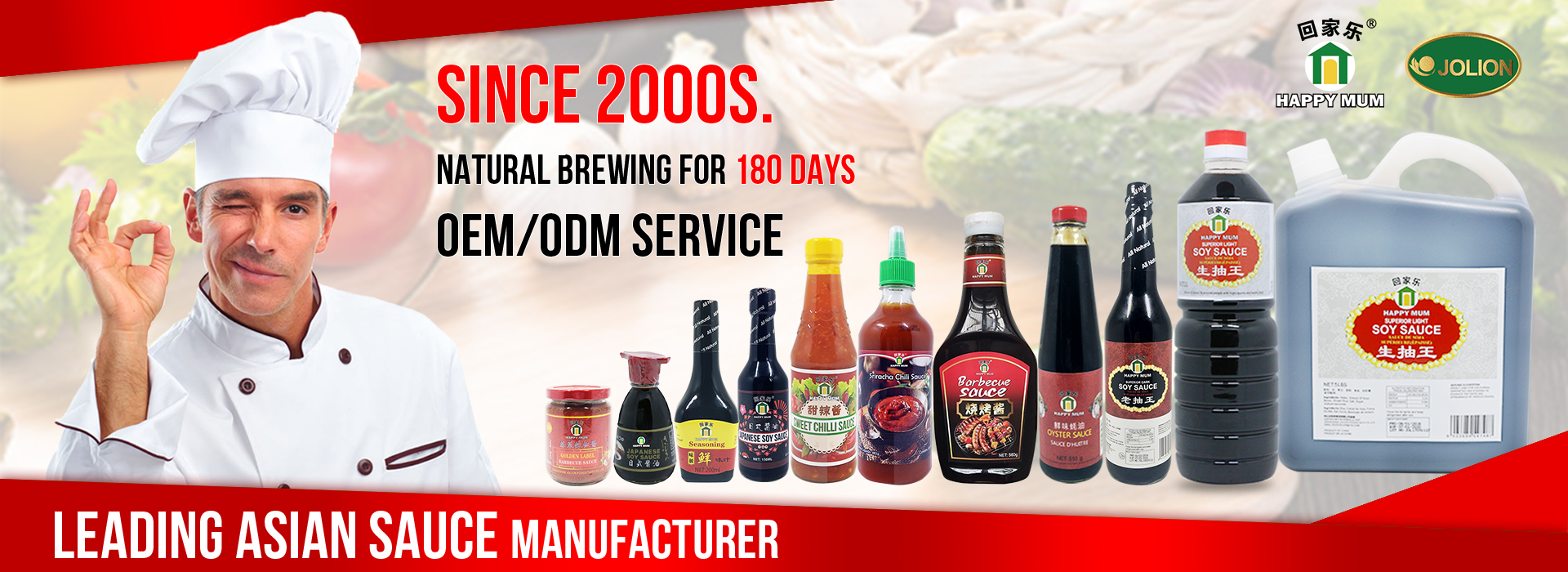
This guide compares ten Chinese soy sauce manufacturers and suppliers to help buyers build a shortlist. It also explains where JOLION Foods may fit, particularly for importers seeking wholesale sauces or original equipment manufacturer (OEM) and original design manufacturer (ODM) services.
How to Choose a Soy Sauce Manufacturer in China
A supplier should meet your product requirements and your purchasing constraints.
Use the following checklist to compare candidates before requesting quotations.
Start by defining the flavor profile, ingredients, color, salt level, and intended use. Light soy sauce is commonly used for seasoning, while dark soy sauce is often selected for color and braising. Specialty varieties include vegan soy sauce, low-salt soy sauce, and mushroom soy sauce, catering to different dietary preferences and cooking needs.
For international distribution, also check ingredient declarations, allergen information, permitted additives, and destination-market labeling rules. Do not assume that a product suitable for sale in China automatically meets the requirements of every importing country.
Assess Quality Control and Export Readiness: Ask for product specifications, batch testing arrangements, traceability information, and relevant food safety documents. Verify that certificates apply to the actual manufacturing site and product category. For private-label orders, agree on the approved recipe, packaging artwork, shelf-life information, and procedures for handling product deviations before production begins.
Evaluate Manufacturing and Wholesale Capacity: Ask about available production capacity, packaging formats, seasonal demand, and how repeat orders are scheduled. Large consumer brands may offer established product ranges, while export-oriented suppliers may be more suitable for customized packaging or mixed product sourcing. Confirm each capability directly rather than inferring it from company size.
Compare Pricing, MOQ, and Delivery Terms: Request quotations using the same bottle size, carton configuration, order quantity, labeling requirements, and shipping destination. Then compare product cost, packaging, freight, insurance where applicable, import duties, and other charges. A low MOQ may help a new distributor test demand, but it does not automatically mean a lower unit cost. Confirm whether the quoted lead time covers production only or the full delivery journey.
Confirm Samples and Order Conditions: Request samples before committing to a commercial order. Evaluate flavor, aroma, color, packaging integrity, and consistency against your specifications. The purchase agreement should identify the product, quantity, price, payment schedule, delivery terms, inspection requirements, and remedies for nonconforming goods. For customized orders, approve the final label and packaging proof in writing.
Top 10 Soy Sauce Manufacturers and Suppliers in China
The following companies represent a mix of established consumer brands, large condiment producers, and suppliers worth evaluating for wholesale sourcing. The following list covers ten Chinese soy sauce manufacturers and suppliers for wholesale buyers to evaluate. It is not ranked by sales or production capacity, and suitability depends on the buyer's market, product requirements, and order size.
Which Manufacturer Fits Your Business Model?
A shortlist becomes useful when it reflects how you intend to sell the product. Consider these three common buying scenarios: 1. Retail businesses: If you sell directly to consumers through supermarkets or grocery stores, you can purchase products from brands such as Lee Kum Kee, Haitian, and Pearl River Bridge wholesale through local distributors, avoiding the complex import and export procedures involved in sourcing products directly from overseas. 2. Wholesale importers and food-service suppliers: Compare JOLION Foods, Qianhe, and other manufacturers based on pack sizes, carton quantities, recurring order volumes, product specifications, and delivery terms. The right option depends on your customers' requirements and the economics of each shipment. 3. Private-label buyers: Begin with suppliers that explicitly describe OEM/ODM services, such as JOLION Foods and Pearl River Bridge. Ask whether the manufacturer can accommodate your recipe or specification, label design, packaging format, and target MOQ. These are starting points, not exclusive categories. A manufacturer's suitability must be confirmed through a quotation, product documentation, and sample evaluation.
Why Consider JOLION Foods for Wholesale Soy Sauce?
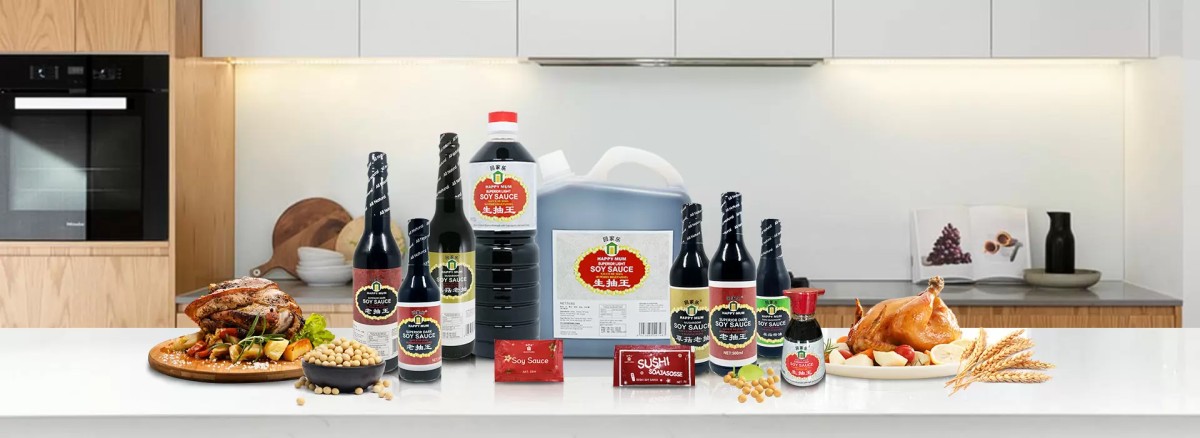
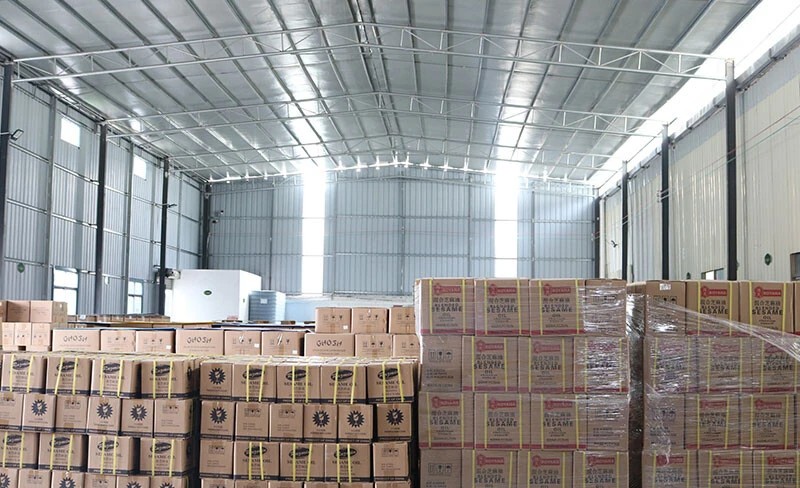
JOLION Foods offers light soy sauce, dark soy sauce, gluten-free soy sauce, low-salt light soy sauce, mushroom soy sauce, Japanese soy sauce, sushi soy sauce, and steamed-fish soy sauce. Its facility covers 20,000 square meters, with six production lines and a soy sauce production capacity of 100 tonnes per month. Buyers should assess these figures alongside product specifications, order requirements, and confirmed production schedules. For buyers testing a new market, a 300-carton MOQ and the shortest lead time of 15 days may be relevant starting points. To work with us, buyers can follow these eight steps:
1. Submit an Inquiry: Send your product requirements to us. 2. Confirm Product Specifications: Discuss product details and requirements. 3. Receive a Quotation: Review the supplier’s quotation. 4. Sign the Contract: Finalize the terms and sign the agreement. 5. Make Payment: Complete payment according to the agreed terms. 6. Confirm Product Labels: Approve the label design and packaging details. 7. Start Production: Begin production after the necessary details are confirmed. 8. Delivery and Follow-Up: Arrange shipment and follow-up service.
Conclusion
Choosing a soy sauce manufacturer in China requires more than comparing brand recognition or quoted prices. Buyers should assess product specifications, quality documentation, production capacity, minimum order quantity, delivery schedules, and the total landed cost before committing to a supplier. For established consumer brands, international distribution experience may be a priority. For importers, predictable replenishment and suitable carton quantities can matter more. Private-label buyers should focus on customization options, packaging approval, sample consistency, and written production commitments. JOLION Foods supplies wholesale soy sauce and takes on OEM/ODM projects. Buyers can assess its product options, packaging capabilities, MOQ, and production schedule against their sourcing requirements. Contact us to request product details, samples, and a quotation tailored to your target market.
Related News
- Nov 03, 2026Types of Chinese Spices: Common Varieties, Uses, and Buying Tips
- Nov 02, 2026Mayonnaise Guide: Ingredients, Uses, and Storage
- Oct 14, 2026Top 10 Chinese Chili Sauce Manufacturers for Wholesale and OEM Buyers
- Oct 13, 2026Top 10 Soy Sauce Manufacturers in China: A Guide for Wholesale Buyers
- Sep 30, 2026Can You Freeze Egg Noodles?
- Sep 30, 2026How Long Does Soy Sauce Last? Does Soy Sauce Need Refrigeration?
Start Your Seasoning Sauce Business by a Free Quote
GET FREE QUOTES
If you are interested in our services, let's have a try on the first project