- Mayonnaise Guide: Ingredients, Uses, and StorageNov 02, 2026Mayonnaise, a creamy condiment commonly used in sandwiches, salads and prepared foods, is a stable emulsion of oil and an aqueous ingredient like water or vinegar.
- Mayonnaise Guide: Ingredients, Uses, and StorageNov 02, 2026Mayonnaise, a creamy condiment commonly used in sandwiches, salads and prepared foods, is a stable emulsion of oil and an aqueous ingredient like water or vinegar.
- Top 10 Chinese Chili Sauce Manufacturers for Wholesale and OEM BuyersOct 14, 2026As a major exporter of chili sauces, China offers global buyers a wide range of options, from mild dipping sauces to spicy chili oils and regional pastes.
Mayonnaise Guide: Ingredients, Uses, and Storage
Mayonnaise, a creamy condiment commonly used in sandwiches, salads and prepared foods, is a stable emulsion of oil and an aqueous ingredient like water or vinegar. Understanding its ingredients, production process, and storage requirements helps consumers choose suitable products and helps food businesses make informed purchasing decisions.
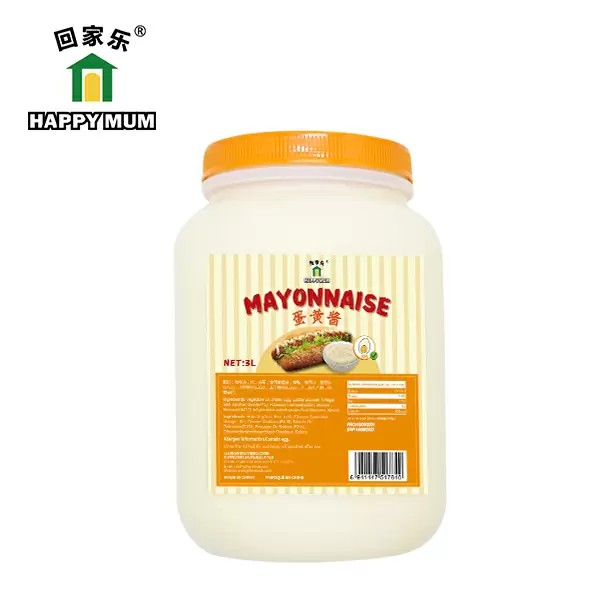
For restaurants, food distributors, and retailers, mayonnaise selection also involves packaging, shelf life, ingredient transparency, and supplier capabilities. Whether you are preparing meals at home or exploring China mayonnaise wholesale options, this guide explains what to look for and how to use mayonnaise safely.
What Are the Main Mayonnaise Ingredients?
Traditional mayonnaise typically contains vegetable oil, egg yolk, an acidic ingredient such as vinegar or lemon juice, and seasonings. Commercial formulations may also contain water, sugar or other sweeteners, and additional ingredients depending on the product and applicable food regulations.
What Is the Mayonnaise Manufacturing Process?
Mayonnaise manufacturing centers on controlled emulsification: dispersing small oil droplets throughout an aqueous phase so the mixture develops a consistent, creamy texture. The exact production parameters depend on the formulation and equipment. A typical manufacturing workflow includes the following stages. 1. Ingredient preparation: Measure the oil, water, egg ingredients, vinegar, salt, and other formulation components according to the recipe. 2. Aqueous-phase preparation: Combine the water-based ingredients and seasonings as required by the formulation. 3. Emulsification: Introduce the oil under controlled mixing conditions. Egg yolk helps stabilize the dispersed oil droplets. 4.Texture and quality checks: Evaluate consistency, appearance, flavor, and other relevant quality parameters. 5.Filling and packaging: Transfer the finished mayonnaise into the selected packaging format under appropriate hygienic conditions. 6. Storage and distribution: Follow the product's specified storage conditions and applicable food safety requirements. The emulsification stage is particularly important. If the oil is incorporated improperly or the formulation is not adequately stabilized, the mayonnaise may become too thin or separate. For commercial buyers, the process also raises practical questions about batch consistency, ingredient controls, packaging integrity, and traceability. Ask prospective suppliers for relevant specifications and quality documentation rather than assuming that every manufacturer follows the same process.
Is Mayonnaise Dairy?
Traditional mayonnaise is generally dairy-free because its main ingredients are oil, egg, and an acidic liquid rather than milk or cream. However, consumers with food allergies should always check the specific product label. Eggs come from animals but are not dairy. Dairy refers to products derived from milk, so mayonnaise containing egg is not automatically a dairy product. There are several distinctions worth remembering: 1. Dairy-free: Traditional mayonnaise generally qualifies when it contains no milk-derived ingredients, but the individual product's ingredient declaration must be checked. 2. Egg-free: Standard mayonnaise usually contains egg. Egg-free alternatives use different formulations and emulsifying ingredients. 3. Vegan: A vegan mayonnaise must not contain egg or other animal-derived ingredients. A product name alone is not sufficient proof. 4. Allergen information: Check ingredient declarations and relevant allergen statements, especially when purchasing products for customers with food allergies. For food service businesses, ingredient verification is essential when developing menus or supplying products to customers with dietary restrictions.
Is Mayonnaise Keto?
Mayonnaise can fit into a ketogenic diet because traditional formulations are typically high in fat and relatively low in carbohydrates. However, suitability depends on the specific recipe, serving size, and the individual's carbohydrate target.
The ketogenic diet substantially restricts carbohydrate intake. As a result, the nutritional composition of condiments matters, even when they are used in small amounts. Before choosing a mayonnaise product, check the following: 1. Total carbohydrates: Review the nutrition panel for carbohydrates per serving. 2. Added sugars: Some formulations contain sugar or other sweeteners that contribute to carbohydrate intake. 3. Serving size: A small serving may fit a meal plan, while repeated or larger portions increase total intake. 4. Dietary priorities: A low-carbohydrate product is not automatically the best choice for every dietary requirement; consider the overall nutritional profile.
How to Use Mayonnaise
Mayonnaise works as a spread, dressing base, dip ingredient, and component in prepared foods because its creamy texture helps combine ingredients and distribute flavor.
For home cooking, mayonnaise can be adjusted with herbs, spices, or acidic ingredients to create different flavor profiles. Add small quantities gradually to avoid making a dressing or filling too thin. Restaurants and food manufacturers should also consider how the condiment performs in the intended application. A spread for sandwiches, a dressing base, and a high-volume food service ingredient may have different packaging and handling requirements. When mayonnaise is mixed with other ingredients, follow safe preparation and refrigeration practices. Adding ingredients can change the handling requirements of the finished dish, so do not assume that the original condiment's shelf life applies to the mixture.
Does Mayonnaise Expire?
Yes. Mayonnaise has a limited shelf life, and its storage requirements depend on the product formulation, processing, packaging, and whether the container has been opened. Commercially produced mayonnaise is formulated and packaged under controlled conditions. Homemade mayonnaise, especially when prepared with raw eggs, presents different food safety considerations. Use these guidelines when storing mayonnaise: 1. Check the date: Follow the manufacturer's stated date and storage instructions. 2. Follow refrigeration guidance: Refrigerate the product when required by its label, particularly after opening. 3. Prevent contamination: Use clean utensils and avoid introducing food particles into the container. 4. Protect product quality: Keep the lid closed and avoid unnecessary exposure to heat. 5. Discard questionable products: Do not taste mayonnaise to determine whether it is safe if the packaging is damaged, the product has been stored improperly, or spoilage is suspected. A change in smell, appearance, or texture may indicate a quality problem, but the absence of visible spoilage does not guarantee food safety. Follow the label and applicable food safety guidance rather than relying on appearance alone. The listed JOLION Foods mayonnaise products have a stated shelf life of two years and are specified for cool, dry storage. Buyers should confirm the applicable storage conditions and any after-opening instructions for the selected product.
Explore JOLION Foods Mayonnaise Products
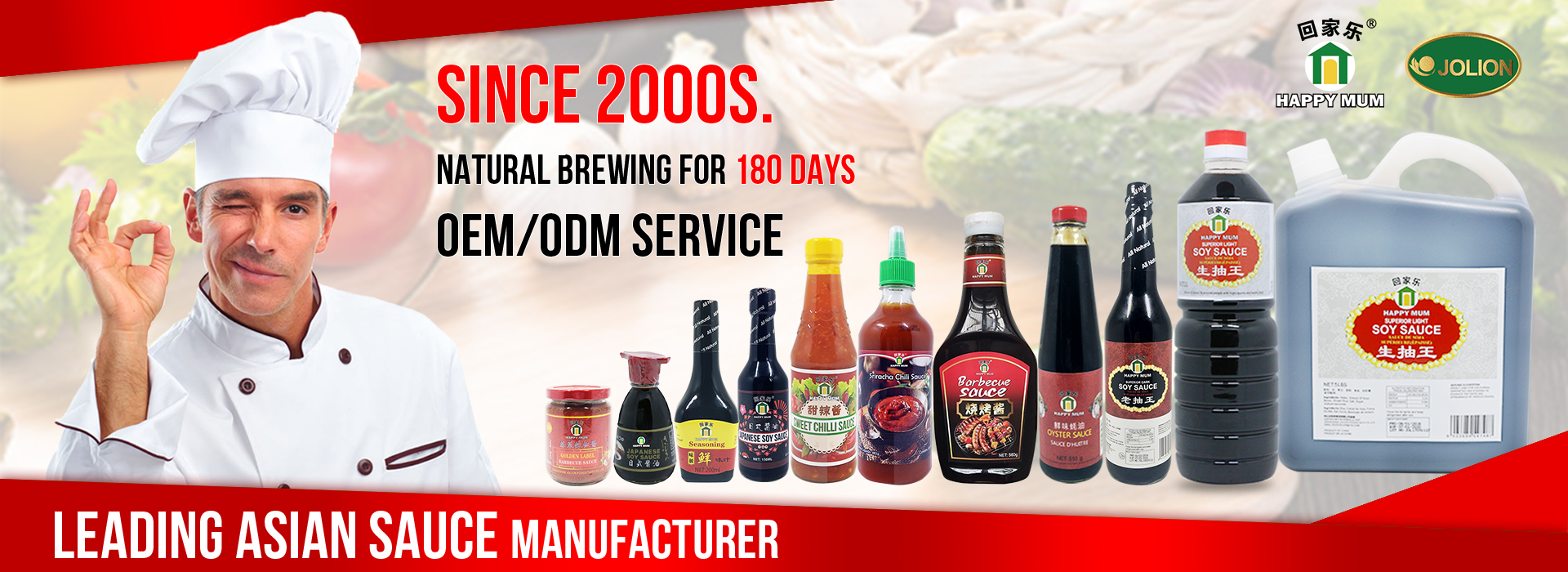
For restaurants, distributors, and retailers evaluating commercial mayonnaise, JOLION Foods offers mayonnaise within its Japanese Style Seasoning Series. The company also provides OEM and ODM services for business customers.
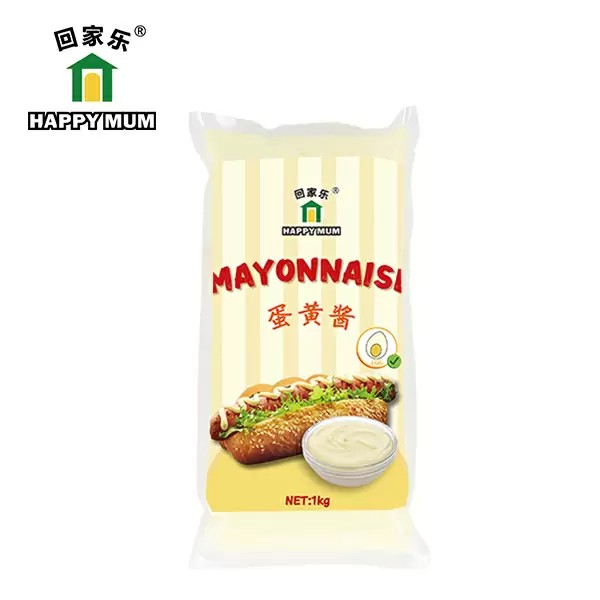
Its Japanese seasoning product range includes mayonnaise alongside other seasonings and condiments. Product selection should begin with the intended application, ingredient requirements, packaging format, and target market.
Available Sizes and Product Specifications
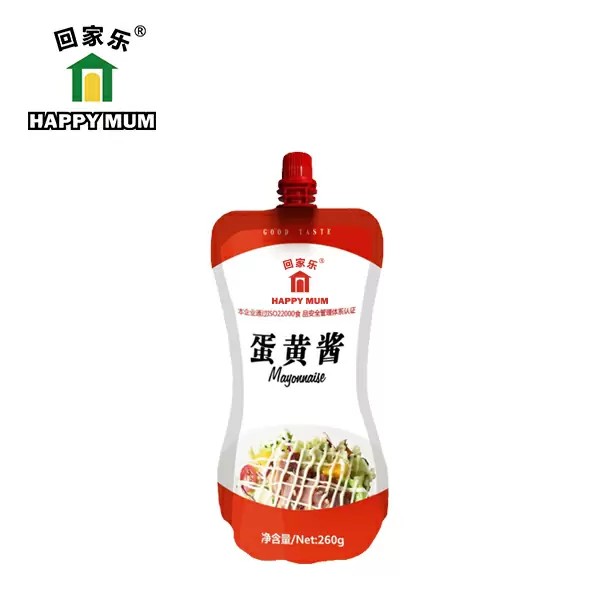
JOLION Foods offers mayonnaise in different product specifications to accommodate different business needs. Rather than selecting a format based on a general comparison, buyers can discuss their intended application, required capacity, packaging preferences, and purchasing requirements directly with JOLION Foods. Before placing an order, confirm the specifications for the selected product, including net weight or volume, packaging format, MOQ, shelf life, and storage conditions. These details may vary by product and order requirements, so the latest supplier confirmation should be used when planning procurement.
Manufacturing and Private Label Solutions
For businesses considering China mayonnaise wholesale, choosing a supplier involves more than comparing the unit price. Ingredient consistency, packaging suitability, minimum order quantities, documentation, and production arrangements can all affect procurement decisions. JOLION Foods identifies itself as a sauce manufacturer offering OEM and ODM services. Its OEM and ODM services provide a starting point for businesses exploring private label or customized food products. Before committing to a supply arrangement, buyers should clarify: 1. Product formulation: Confirm the ingredients, flavor profile, allergen status, and nutritional specifications. 2. Packaging: Establish the exact container or pouch format, capacity, labeling requirements, and carton configuration. 3. Order requirements: Confirm the MOQ, pricing basis, sample availability, and production lead time. 4. Quality documentation: Request relevant certificates and product-specific documentation, verifying their validity and applicability. 5. Market compliance: Check labeling, ingredient, import, and food safety requirements in the destination market. 6. Customization: Discuss the available options for recipe development, branding, and packaging, along with any associated requirements. JOLION Foods provides manufacturing resources and private label services, but specific customization capabilities, prices, lead times, and export requirements should be confirmed for each project.
Conclusion
Mayonnaise is a versatile emulsion whose texture, flavor, and performance depend on its ingredients and manufacturing process. Understanding its composition helps consumers assess dairy status and carbohydrate content, while correct storage practices support food safety and product quality.
For commercial buyers, selecting mayonnaise also requires checking specifications, packaging, shelf life, and supplier documentation. JOLION Foods offers mayonnaise products and OEM/ODM services for businesses exploring wholesale supply. Review the product details and confirm any outstanding specifications before placing an order.
Related News
- Nov 02, 2026Mayonnaise Guide: Ingredients, Uses, and Storage
- Nov 02, 2026Mayonnaise Guide: Ingredients, Uses, and Storage
- Oct 14, 2026Top 10 Chinese Chili Sauce Manufacturers for Wholesale and OEM Buyers
- Oct 13, 2026Top 10 Soy Sauce Manufacturers in China: A Guide for Wholesale Buyers
- Sep 30, 2026Can You Freeze Egg Noodles?
- Sep 30, 2026How Long Does Soy Sauce Last? Does Soy Sauce Need Refrigeration?
Start Your Seasoning Sauce Business by a Free Quote
GET FREE QUOTES
If you are interested in our services, let's have a try on the first project