- Top 10 Chinese Chili Sauce Manufacturers for Wholesale and OEM BuyersOct 14, 2026As a major exporter of chili sauces, China offers global buyers a wide range of options, from mild dipping sauces to spicy chili oils and regional pastes.
- Top 10 Soy Sauce Manufacturers in China: A Guide for Wholesale BuyersOct 13, 2026China is a major supplier of soy sauce to international markets.
- Can You Freeze Egg Noodles?Sep 30, 2026
Top 10 Chinese Chili Sauce Manufacturers for Wholesale and OEM Buyers
As a major exporter of chili sauces, China offers global buyers a wide range of options, from mild dipping sauces to spicy chili oils and regional pastes. With so many products and suppliers to choose from, buyers need to look beyond flavor and compare factors such as minimum order quantities (MOQs), packaging options, export documentation, and production reliability before making a bulk purchase. China exported approximately US$1.21 billion worth of sauces and mixed condiments in 2024, according to World Integrated Trade Solution (WITS) data based on UN Comtrade statistics. This figure covers a broad sauce category rather than chili sauce alone, but it illustrates the scale of China's condiment export sector. For importers seeking the best chili sauce from China, the practical starting point is to match the product to the target market, calculate the total landed cost, and verify that the supplier can meet the required specifications. This guide compares ten Chinese chili sauce manufacturers and brands and explains how wholesale buyers can evaluate OEM manufacturing opportunities.
How to Choose the Right OEM Chili Sauce Supplier
An OEM supplier manufactures products according to a buyer's agreed specifications, which may include a private label, packaging design, or formulation. Not every established chili sauce brand offers this service, so buyers should confirm the arrangement before requesting a quotation.
Match the Product to Your Market
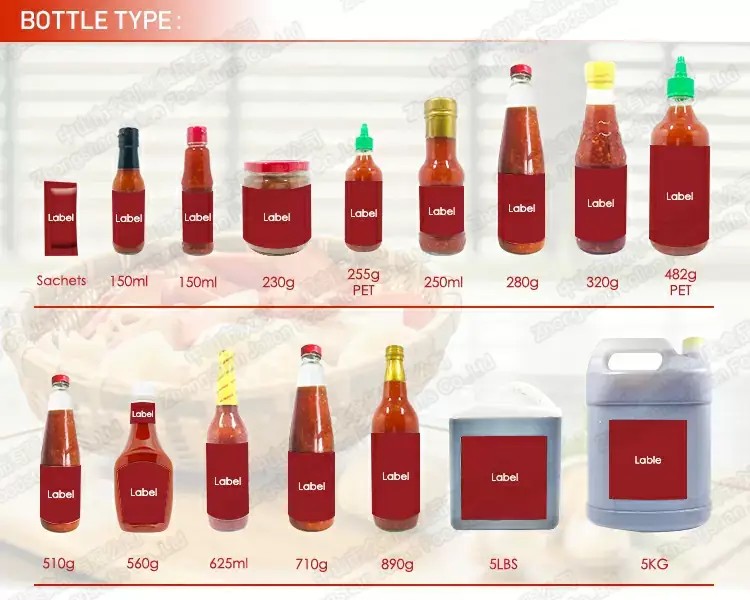
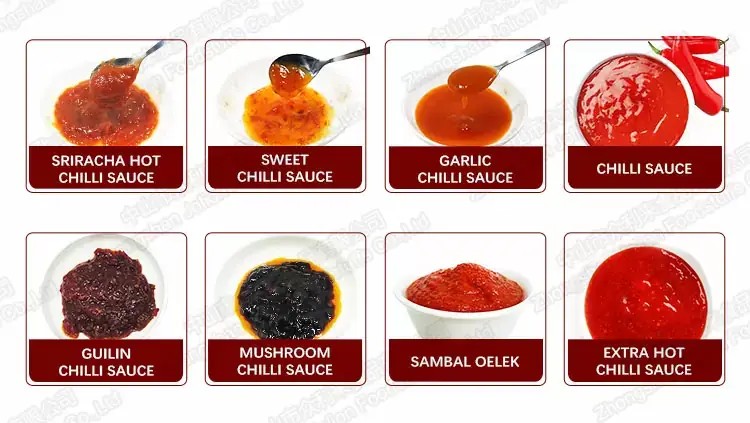
Different markets and customer groups expect different chili sauce profiles. Restaurants may need a consistent cooking ingredient, while retailers may prefer smaller bottles and a distinctive flavor. Start by defining three requirements: 1. Flavor: Decide whether you need sweet, savory, garlic-rich, fermented, or oil-based chili sauce. 2. Heat level: Request samples and agree on a measurable product specification where available. 3. Application: Confirm whether the sauce is intended for dipping, marinades, stir-frying, or food manufacturing. 4. Ingredients: Check chili varieties, oil types, additives, and allergen information against your product requirements. 5. Certifications: Confirm the food safety certifications and import documentation required for the destination market. 6. Cost: Compare unit prices, MOQs, customization fees, shipping costs, and other expenses to estimate the total landed cost. 7. Shelf Life: Verify the stated shelf life, storage conditions, and required remaining shelf life upon delivery. 8. Packaging: Confirm bottle or pouch sizes, packaging materials, private-label printing, and labeling requirements.
Verify Quality and Export Requirements
Request the product specification, ingredient list, allergen information, shelf-life details, and applicable test reports. Confirm which certificates apply to the specific manufacturing facility and product. Destination rules also matter. For the US market, imported foods must meet applicable food safety and labeling requirements. FDA facility registration and prior notice requirements apply to relevant facilities and shipments. The European Union has separate food-information rules, including requirements concerning allergens and nutrition information for applicable products. Canada requires food importers to meet applicable licensing, preventive control, and traceability requirements. Australia requires imported food to comply with applicable food standards and biosecurity conditions. In Japan, importers must submit the required notification for food imported for sale or business use. In Singapore, importers of processed foods must register with the Singapore Food Agency (SFA) and comply with applicable import and labeling requirements.
What Should You Consider When Sourcing Chili Sauce from China?
Choosing a supplier requires a balance between purchasing cost, market compliance, and reliable replenishment. Brand popularity alone does not guarantee with your wholesale or private-label project.
Key Factors to Evaluate Before Choosing a Supplier
1. MOQ, landed cost and order flexibility Calculate the total cost of receiving saleable goods at your destination, including the product price, packaging, freight, insurance, import duties, and other applicable charges. Ask whether mixed-product orders are possible and whether a smaller trial order is available. 2. Export readiness and destination-market requirements Confirm who will prepare export documents and which product records the importer needs. For regulated markets, review ingredients, allergens, labeling, and any applicable food-safety requirements before approving packaging. 3. Supplier production capacity and supply reliability Ask about monthly output for the specific sauce, production scheduling, quality checks, and procedures for handling defects. Capacity figures for an entire factory should not be mistaken for the output available for one product.
10 Chinese Chili Sauce Manufacturers and Brands to Consider
These ten companies offer different chili sauce products, from garlic chili sauce and chili oil to sweet chili sauce and regional-style condiments. This is a selection of brands and manufacturers, not a ranking.
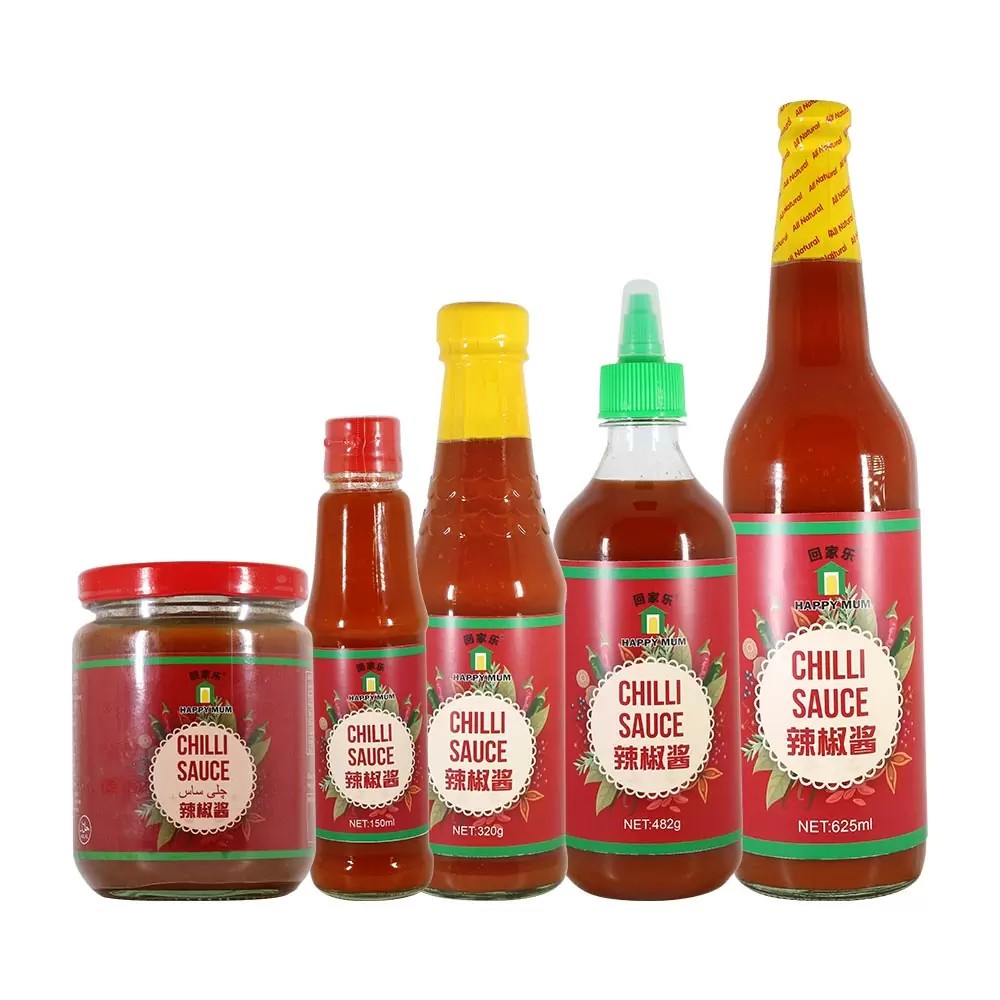
1. JOLION Foods
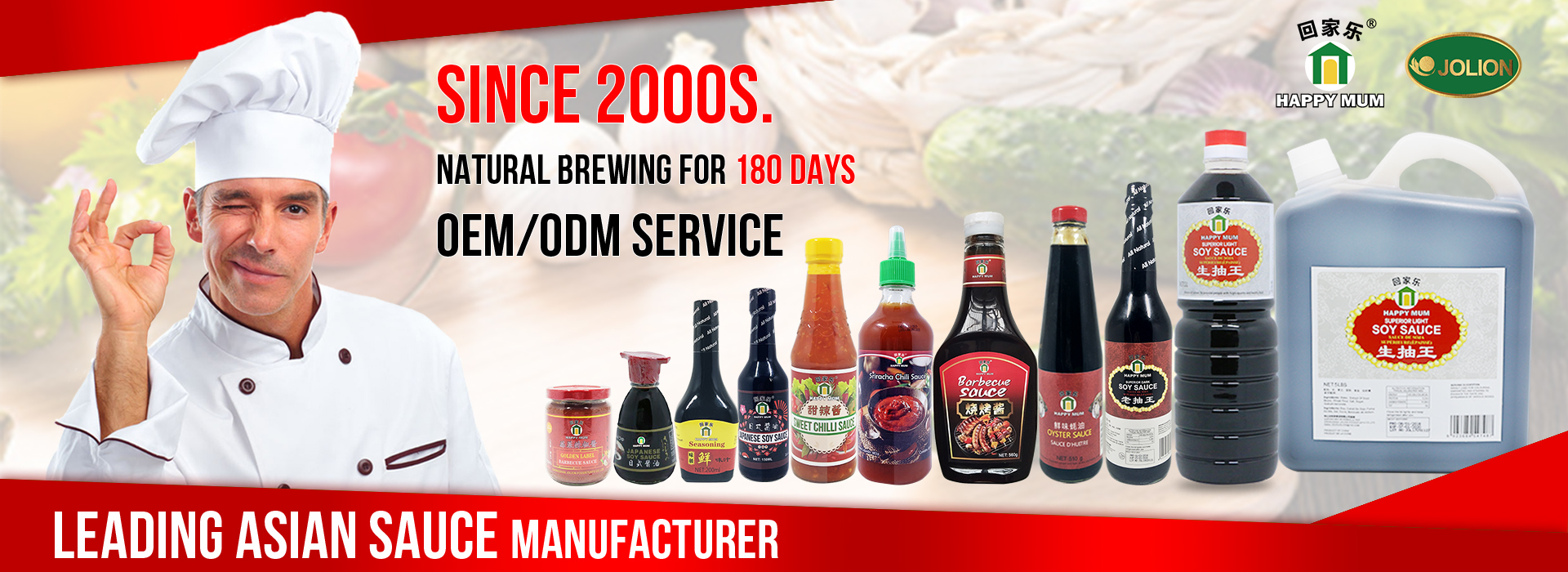
JOLION Foods offers traditional chili sauce, sweet chili sauce, Sriracha sauce, and chili oil. It also provides OEM/ODM services for buyers seeking customized sauces and packaging. Address: No. 101, Dongyuan South Road, East District, Zhongshan City, Guangdong Province, China. 2. Lee Kum Kee Lee Kum Kee’s chili sauce range covers a variety of flavors, including Thai-style sweet chili sauce, garlic chili sauce, Sichuan-style spicy sauce, and Guilin-style chili sauce. This variety gives buyers several options for retail, dipping, and cooking applications. Address: 37/F, Infinitus Plaza, 199 Des Voeux Road Central, Hong Kong, China. 3. Lao Gan Ma Lao Gan Ma offers chili sauce with peanuts, chili sauce with fermented soybeans, and spicy chili crisp. Its range combines chili with ingredients such as peanuts and fermented soybeans, offering options for buyers seeking savory, textured Chinese-style condiments. Address: No. 138 Jianlongdong Road, Longdongbao, Nanming District, Guiyang City, Guizhou Province, China. 4. Haday Haday offers sweet chili sauce and hot sauce, along with OEM/ODM services for customized formulations and packaging. Address: No.16, Wensha Road, Chancheng District, Foshan City, Guangdong Province, China. 5. Shinho Shinho’s Yousuosi brand offers fresh chili sauces in different heat levels. Buyers should confirm the product names, specifications, and available packaging before ordering. Address: 4th Floor, Citic Mansion 77, Changjiang Road, Yantai, Shandong Province, China. 6. Chubang Chubang’s product range includes garlic chili sauce and spicy soybean paste. Its garlic chili sauce is described as garlicky and sweet-spicy, while the soybean paste combines chili with fermented soybean flavor and is suitable for dipping, mixing, and cooking. Address: No. 1, Chubang Road, Torch Development Zone, Zhongshan City, Guangdong Province, China. No. 1, Chubang Avenue, Yangxi County, Yangjiang City, Guangdong Province, China. 7. Chuanwazi Chuanwazi is a Sichuan-based food company offering chili sauces and other Chinese seasoning products. Its sauce range includes roasted green chili sauce (Shao Jiao Sauce), beef roasted chili sauce, mixed chili sauce, and chili oil with Sichuan-style flavors. Address: Longdu South 1st Road No. 2, Qinglong Industrial Park, Pengshan District, Meishan, Sichuan, China. 8. Lameizi Lameizi offers several chili-based seasonings, including chili sauce, perilla chili sauce, ghost chili sauce, ginger chili sauce, garlic chili sauce, and chopped chili sauce. Its range covers different flavor profiles and cooking uses, from aromatic garlic notes to stronger heat. Address: 28th Floor, Block A, Huijing Global Development Center, Xiangjiang Middle Road, Tianxin District, Changsha City, Hunan Province, China. 9. Jixiangju Jixiangju specializes in Sichuan-style condiments, including pickled vegetables and chili-based products. Its product range offers options for buyers seeking regional Chinese flavors. Address: Taihe Town Economic Development Zone, Dongpo District, Meishan, Sichuan, China. 10. Hu Bang Hu Bang specializes in chili sauces, including spicy beef sauce and other ready-to-eat chili condiments. Its products are suitable for buyers looking for convenient, bold-flavored sauces for retail and foodservice. Address: Room 1901, Building G, International Innovation Park, No. 1 Keyuan Weiyi Road, Laoshan District, Qingdao, Shandong, China. For wholesale or private-label sourcing, product variety is only one consideration. Buyers should separately confirm export availability, minimum order quantities, packaging options, lead times, and OEM/ODM terms with each company.
How Does the Chili Sauce OEM Process Work?
A clear OEM process helps buyers confirm product requirements, pricing, packaging, and delivery arrangements before production. The following steps outline how buyers can work with a chili sauce manufacturer. 1. Submit an Inquiry. Describe the target market, intended application, estimated order volume, preferred packaging, and desired flavor profile. 2. Confirm Product Specifications. Discuss the chili sauce type, ingredients, flavor, heat level, texture, and packaging requirements. Request samples when needed and confirm the specifications before proceeding. 3. Review the Quotation. Check the quoted price, minimum order quantity (MOQ), payment terms, production lead time, and delivery arrangements. 4. Negotiate and Sign the Contract. Confirm the agreed specifications, order quantity, pricing, payment schedule, delivery terms, and responsibilities of both parties. 5. Arrange Payment. Follow the agreed payment terms so the order can proceed to the next stage. 6. Confirm Labels and Packaging. Review label artwork, ingredient declarations, allergen information, net quantity, date coding, and applicable destination-market labeling requirements before approving the packaging. 7. Begin Production. Once the specifications, contract, payment, and labels have been confirmed, the manufacturer proceeds with production. Buyers should agree in advance on any quality checks or inspection records required. 8. Arrange Delivery and Follow-Up. Confirm the shipping schedule and required export documents. After delivery, report any product or packaging issues through the agreed follow-up process.
Frequently Asked Questions
Can I Request Free Samples Before Placing a Bulk Chili Sauce Order?
Some suppliers provide samples, while others may charge for samples or shipping. We offers free samples, with shipping costs covered by the buyer.
What Payment Terms Do Bulk Chili Sauce Suppliers Accept?
Terms depend on the supplier, order size, and commercial agreement. Payment terms at JOLION Foods are flexible and can be negotiated according to the buyer’s specific needs and circumstances.
What Shipping Methods Are Available for Wholesale Chili Sauce Orders?
Sea freight is commonly considered for larger, less time-sensitive orders because it can accommodate substantial cargo volumes. Air freight may suit urgent or smaller shipments when the higher cost is justified. At JOLION Foods, samples are generally shipped by air, while large-volume orders are delivered by sea. We also do our best to accommodate special shipping requirements.
Conclusion
Selecting a Chinese chili sauce supplier requires more than comparing brands or unit prices. Wholesale buyers should verify the product specification, MOQ, packaging flexibility, landed cost, export documentation, and production reliability before committing to a bulk order. For buyers seeking a private-label partner, we offer several chili sauce varieties and OEM/ODM services. Review our chili sauce manufacturing and product options, define your target specifications, and request a quotation based on your expected order volume and destination market. Planning a wholesale or private-label project? Contact us to talk through your product requirements and sourcing needs.
Related News
- Oct 14, 2026Top 10 Chinese Chili Sauce Manufacturers for Wholesale and OEM Buyers
- Oct 13, 2026Top 10 Soy Sauce Manufacturers in China: A Guide for Wholesale Buyers
- Sep 30, 2026Can You Freeze Egg Noodles?
- Sep 30, 2026How Long Does Soy Sauce Last? Does Soy Sauce Need Refrigeration?
- Aug 06, 2026Low Sodium Soy Sauce: Is It Actually Healthier, and How Does It Compare to Light Soy Sauce?
- Aug 06, 2026Is MSG Bad for You? The Science-Backed Truth About Monosodium Glutamate Side Effects
Start Your Seasoning Sauce Business by a Free Quote
GET FREE QUOTES
If you are interested in our services, let's have a try on the first project