Can You Freeze Egg Noodles?
Can you freeze egg noodles? Yes, you can freeze egg noodles, but the best approach depends on whether they are fresh, cooked, commercially dried, or already in a soup or sauce.
For home cooks and restaurant chefs, freezing can make portions easier to manage and reduce waste. For manufacturers, distributors, supermarkets, and private-label brands, the more important question is whether a particular noodle product is designed, packaged, and labeled for frozen storage.
This guide explains which egg noodles are worth freezing, how to prepare them, how long to keep them for best quality, and how to serve them without sacrificing texture.
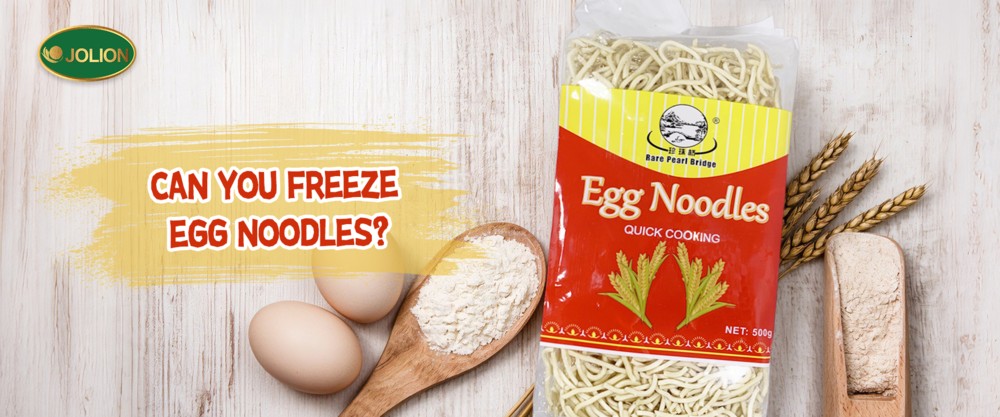
Can You Freeze Egg Noodles? The Complete Guide
Not all noodles respond to freezing in the exact same way. The moisture content, ingredients, and cooking stage all play a vital role in how well the pasta will survive sub-zero temperatures. Here is the complete guide based on the noodle's condition.
1. Can you freeze fresh egg noodles?
Yes, fresh egg noodles freeze well. In fact, freezing is the best way to preserve them if they are not going to be consumed within a few days. The extreme cold inhibits enzymatic activity and microbial growth. More importantly, it helps retain the egg flavor and slow the breakdown of the gluten structure, preventing the fresh dough from becoming a sticky, mushy mess.
2. Can you freeze cooked egg noodles?
Yes, especially when you have leftovers or need ready-to-heat portions. Expect some texture change, though. Cooked noodles may be softer after thawing and reheating, particularly if they were very soft before freezing.
Therefore, the timing of your cooking process is crucial. To successfully freeze cooked egg noodles, you can boil them to an "al dente" state—meaning they are slightly firm to the bite with a faint white core. Fully cooked noodles will suffer from starch retrogradation; they will break down, become unpleasantly mushy, and lose their signature chewiness once thawed and reheated.
3. Can you freeze dry egg noodles?
No, freezing dry egg noodles is highly unnecessary and generally advised against. Dehydrated noodles already boast a stable shelf life of 1 to 2 years when stored in a cool, dark pantry or warehouse. Placing them in a freezer introduces the risk of moisture condensation. If dry noodles absorb this ambient freezer moisture, they can easily become soggy, clump together, or crack prematurely.
4. Can you freeze egg noodles in soups and sauces?
Freezing noodles while they are submerged in liquid is strongly discouraged. Cooked noodles will continue to take in some liquid during storage, and freezing and thawing can further damage their structure, leaving them soft, swollen, and mushy. The professional solution is to freeze the cooked noodles and the soup or sauce in completely separate, airtight containers.
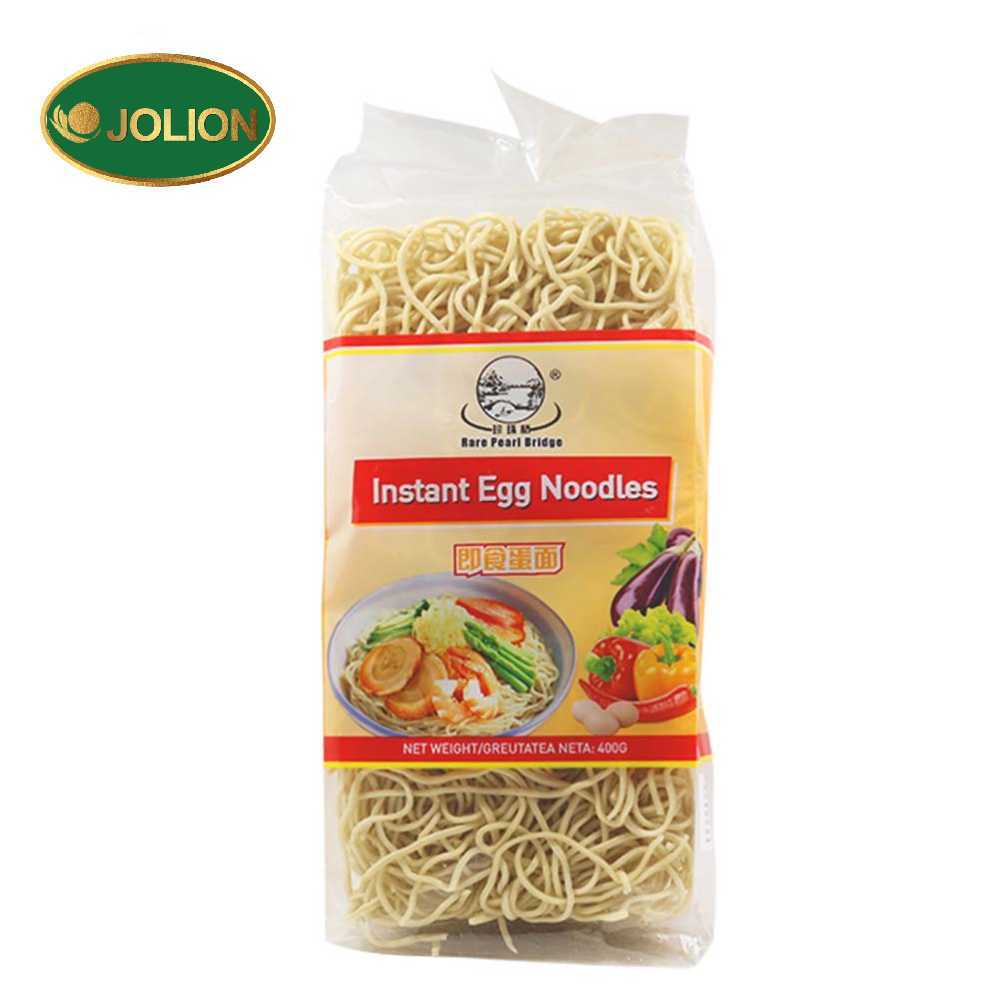
Picture shown: 400g wholesale egg noodles
How to Freeze Egg Noodles
Following the correct operational steps ensures your egg noodles retains its premium quality, whether you are managing a bustling restaurant kitchen or preserving leftovers at home.
1. How to freeze fresh egg noodles:
- Dusting: Toss the fresh noodles lightly with a starch coating, such as cornstarch, AP flour, or semolina.
- Portioning: Twirl the noodles into individual, single-serving "nests." This makes inventory portion control easier later on.
- Flash Freezing: Place the noodle nests in a single, even layer on a baking sheet. Freeze them uncovered for 1 to 2 hours until they are rock hard.
- Packaging and Label: Transfer the hardened nests into vacuum-sealed bags or heavy-duty freezer bags. Squeeze out as much excess air as possible to prevent frost buildup and freezer burn. Add the date.
2. How to freeze cooked egg noodles:
- Under-cook: Boil the noodles for 1 to 2 minutes less than the package instructions require, intentionally maintaining a firm, al dente texture.
- Shocking: Immediately fish the noodles out and submerge them in an ice-water bath. This rapid cooling process halts residual internal cooking instantly.
- Draining & Oiling: Drain the noodles thoroughly. Toss them gently with a small amount of neutral cooking oil or toasted sesame oil to create a protective, moisture-locking barrier that prevents sticking.
- Sealing and Label: Portion the noodles, flatten them inside freezer-safe bags, and stack them flat in the freezer. Flattening helps them freeze faster and reheat much more evenly. Remember to add the date as well.
How Long Do Frozen Egg Noodles Last? Signs of Quality Loss
When stored properly in airtight packaging at a consistent 0°F (-18°C), frozen egg noodles can easily maintain their quality for several months.
- Fresh Frozen Noodles: For the best flavor and bounce, it is recommended to consume within 2 months.
- Cooked Frozen Noodles: These are best utilized within 1 to 2 months.
Signs of Quality Loss:
- Freezer Burn: White, dry, or discolored patches on the edges of the noodles indicate dehydration and poor packaging seals.
- Heavy Frosting: A thick accumulation of ice crystals inside the sealed bag suggests the product has undergone detrimental temperature fluctuations (thawing and refreezing).
- Off-Odors: Noodles contain fats from the eggs and added oils. If they smell rancid or have absorbed pungent odors from the freezer, their flavor has degraded.
- Texture Collapse: If the noodles shatter easily while frozen or dissolve into a muddy paste upon thawing, the internal gluten structure is irreparably damaged.
How to Thaw and Reheat Frozen Egg Noodles
- Fresh Frozen Egg Noodles: Cook them straight from frozen in boiling water or broth. Stir gently and check for doneness; thawing first can make the strands stick together.
- Cooked Frozen Egg Noodles: For soups, you can reheat small portions gently with a splash of water or sauce to help loosen the strands. Avoid prolonged boiling, which can make them softer. Alternatively, for stir-fries, let them thaw in the refrigerator before tossing them directly into a hot, well-oiled wok.
- Egg Noodles with Soup/Sauce: If you previously mixed them together, the gentlest way to reheat is via a microwave on medium power or by slowly simmering on the stovetop. Avoid vigorous stirring, which will cause the fragile, thawed noodles to break apart into tiny pieces.
These freezing and reheating methods are useful for managing noodles after purchase. For supermarkets, restaurant groups, and private-label brands, the decision begins earlier: choosing a noodle variety that suits the intended dish, storage conditions, and sales market. That is where discussing product specifications with a supplier becomes valuable.
JOLION Foods’ Noodle OEM & ODM Service
For supermarkets, restaurant groups, and foodservice distributors looking for an egg noodle supplier, the right product depends on the dishes they serve and the market they sell in. JOLION Foods supplies Asian noodles to customers worldwide and offers noodle OEM and ODM services for buyers developing their own product lines.
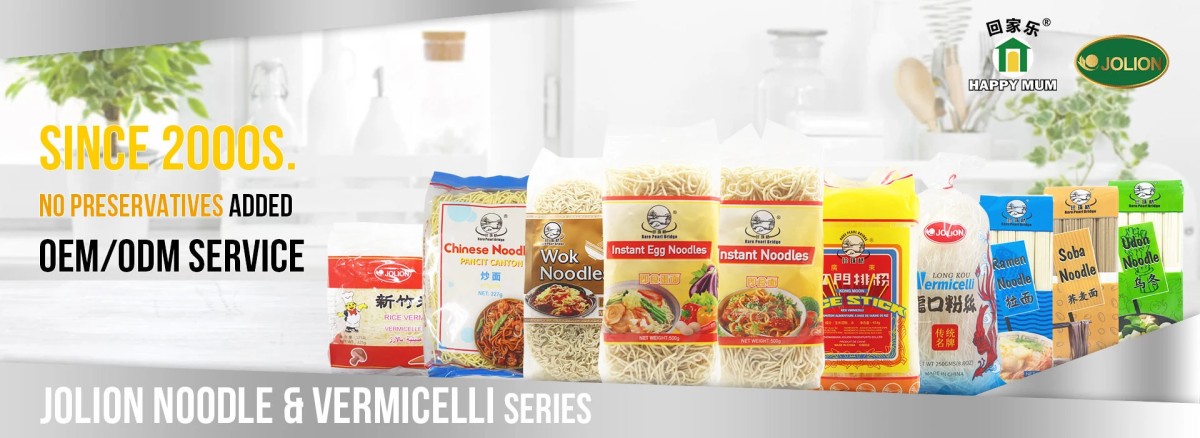
- A broader noodle range: Alongside egg noodles, our portfolio includes chow mein, wok noodles, instant noodles, ramen, rice noodles, vermicelli, and other varieties. Buyers can discuss the product specifications they need before receiving a quotation.
- A defined OEM process: We offer complimentary samples. Once the product specification and commercial terms are agreed, the process moves through label confirmation, production, delivery, and follow-up service.
- Production capacity and quality certifications: Our 40,000-square-meter factory has 12 automated production lines and an annual production capacity of 75,000 tons. We operate in accordance with recognized standards and hold certifications including BRC, HACCP, ISO, HALAL, and KOSHER.
Whether you are adding egg noodles to a retail range or sourcing noodles for foodservice, our team can help you review the available varieties and move from sample evaluation to an OEM order. If you need any support, contact JOLION Foods' professional team to discuss your product requirements, request a sample, and get a quotation!
Related News
- Sep 30, 2026Can You Freeze Egg Noodles?
- Sep 30, 2026How Long Does Soy Sauce Last? Does Soy Sauce Need Refrigeration?
- Aug 06, 2026Low Sodium Soy Sauce: Is It Actually Healthier, and How Does It Compare to Light Soy Sauce?
- Aug 06, 2026Is MSG Bad for You? The Science-Backed Truth About Monosodium Glutamate Side Effects
- Jun 01, 2026How Long Does Canned Pineapple Last: A Complete Guide
- Jun 01, 2026How Long Does Canned Fruit Last? A Complete Guide
Start Your Seasoning Sauce Business by a Free Quote
GET FREE QUOTES
If you are interested in our services, let's have a try on the first project