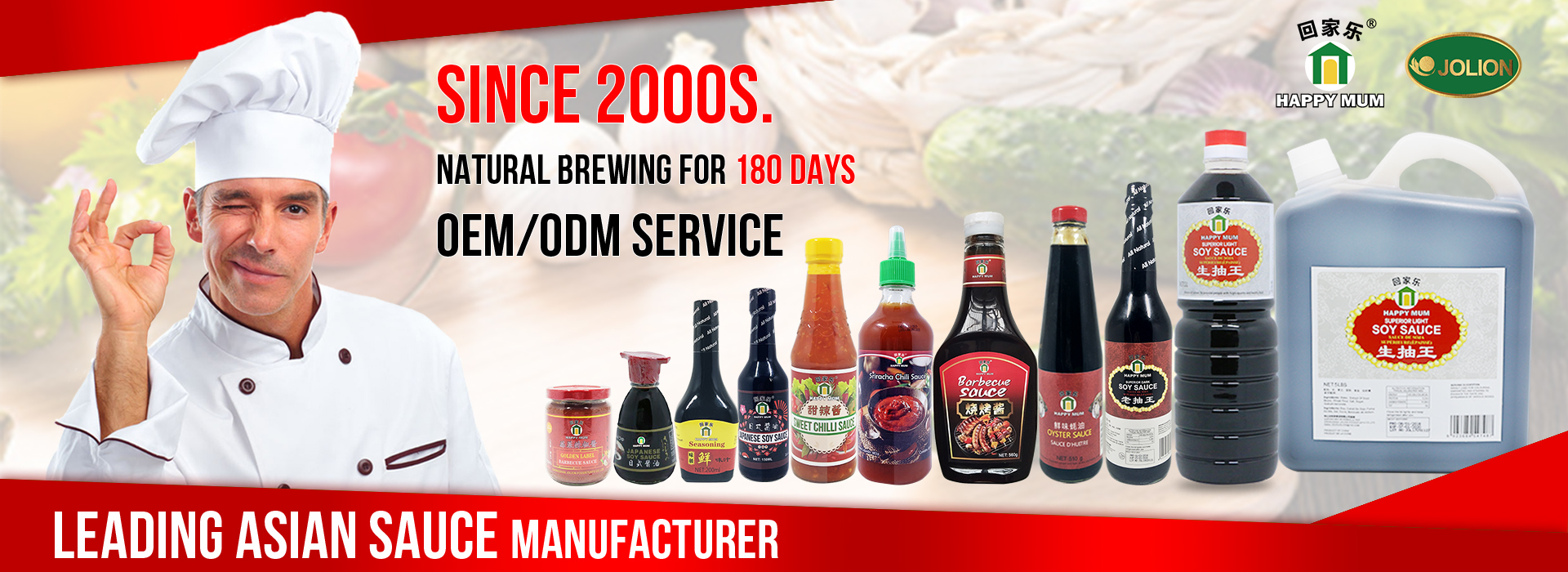
How Long Does Soy Sauce Last? Does Soy Sauce Need Refrigeration?
Whether you are a home cook, a restaurant owner, or a food distributor, managing condiment inventory efficiently is crucial. How long does soy sauce last? Does soy sauce need to be refrigerated?
Here are the quick, immediate answers to your most common questions:
- Unopened Soy Sauce: Can last 2 to 3 years (or even longer) when stored in a cool, dry condition.
- Opened Soy Sauce: May stay at peak quality for 6 months to 1 year, though it remains safe to consume long after.
- Refrigeration: Not strictly required for food safety, but highly recommended to preserve flavor and color.
In this comprehensive guide, we will explore the shelf life of soy sauce, proper storage practices for both personal and commercial use, signs of spoilage, and how to source premium soy sauce for your business.
How Long Does Unopened Soy Sauce Last?
Commercially produced soy sauce is a shelf-stable, fermented condiment. It is typically packaged in glass bottles, plastic jugs, or single-serve sachets, all designed to maintain an airtight seal.
So, exactly how long does soy sauce last when unopened? Generally, an unopened bottle will easily retain its peak quality for 2 to 3 years. The first reference point should always be the "Best-By" or "Best Before" date printed on the packaging. However, this date represents the manufacturer’s estimate of peak flavor, not a strict expiration date for food safety.
Because of its high sodium content and the natural fermentation process, unopened soy sauce that is properly stored in a cool, dark place will generally remain safe to use well past this printed date, provided the packaging shows no signs of damage, swelling, or leaks.
How Long Does Opened Soy Sauce Last?
Once the seal is broken, opened soy sauce can typically remain usable and flavorful for several months to 1 year or longer. The exact timeframe depends heavily on your storage conditions and the specific product formulation.
Traditional soy sauce is naturally highly resistant to spoilage. The brewing process creates a liquid rich in salt and fermentation byproducts, such as lactic acid and alcohol. According to general food safety guidelines, these natural elements act as powerful preservatives, creating an environment that actively inhibits the growth of most harmful microorganisms and bacteria.
If you use a bottle slowly, refrigeration and careful handling are the simplest ways to keep its flavor closer to what you expect.
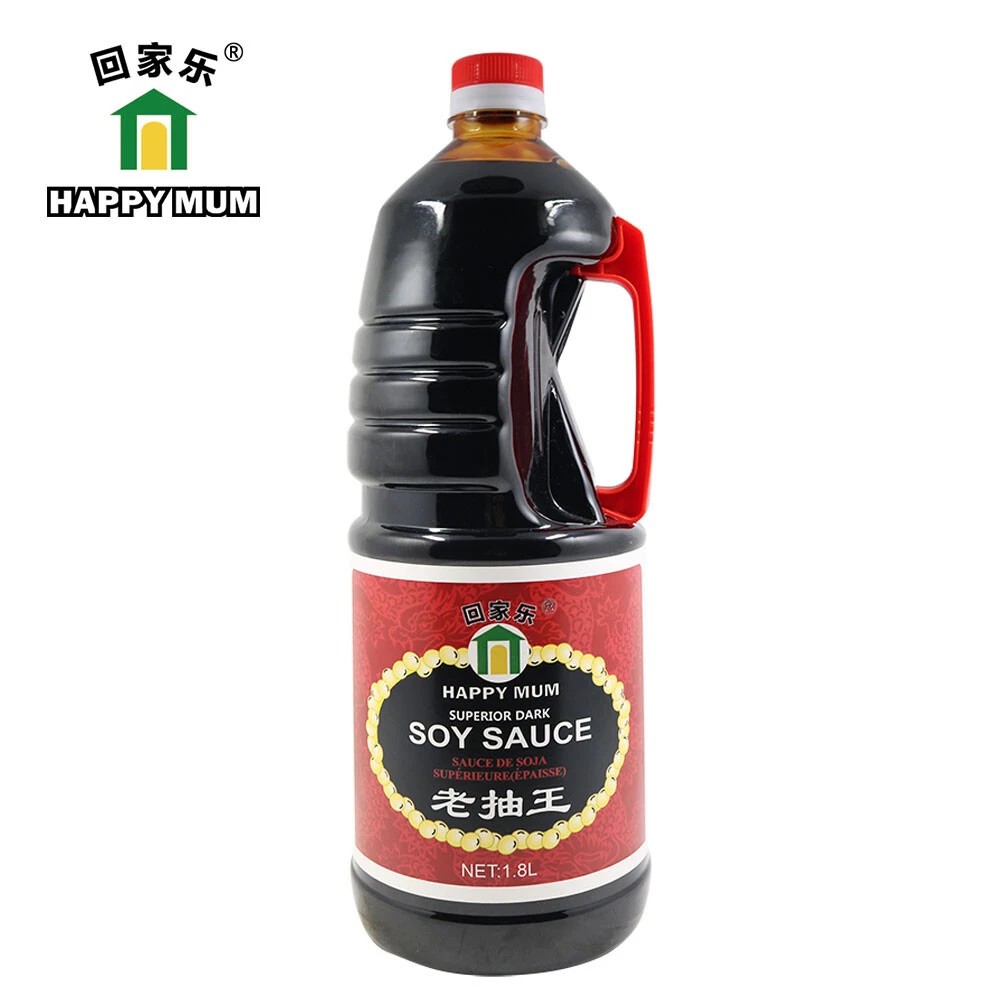
Picture shown: 1.8L private label dark soy sauce
Does Soy Sauce Need Refrigeration?
Not always. Regular commercial soy sauce can generally be kept at room temperature after opening because its salt content inhibits the growth of many spoilage microorganisms.
Refrigeration is still the better choice if you want to keep an opened bottle for more than a short time. Exposure to oxygen may gradually change soy sauce’s color and flavor; cooler storage slows that process.
Regardless of where you store it, keep the cap tightly closed to limit air exposure and help preserve its quality.
How to Tell if Soy Sauce is Bad
Even with its long shelf life, you might still wonder: will soy sauce go bad? While extremely rare, improper storage or contamination can cause it to degrade.
Here is how to tell if soy sauce is bad:
- Foul or Off Odor: Fresh soy sauce has a savory, slightly sweet, and earthy aroma. If it smells sour, rancid, or unusually pungent, discard it.
- Mold Growth: If you see any white, green, or fuzzy mold floating on the surface or around the rim of the cap, the bottle has been contaminated.
- Bitter or Strange Taste: If the flavor is overwhelmingly bitter or lacks its signature umami profile, oxidation or spoilage has occurred.
- Abnormal Texture or Sediment: While a tiny amount of natural sediment is sometimes normal in naturally brewed sauces, excessive cloudiness, slime, or extreme thickening are clear warning signs.
Best Practices for Storing Soy Sauce
A few habits help protect both product quality and consistency.
For home kitchens:
- Store unopened bottles in a cool, dry place away from direct sunlight and heat.
- Close the cap promptly after pouring, and avoid touching the opening with used utensils.
- Refrigerate after opening when you want to preserve flavor for longer—especially if you use soy sauce infrequently.
- Check the label before storing low-sodium or flavored varieties.
For restaurants and food businesses:
- Rotate stock by date and inspect cases, bottles, and sachets for damage on arrival.
- Keep unopened stock away from heat and direct light, following each product’s stated storage conditions.
- Date opened containers and use clean dispensing practices; do not pour used sauce back into the original container.
- Set handling rules by specific product and supplier instructions, rather than applying one shelf-life assumption to regular, low-sodium, and specialty sauces.
For distributors, supermarkets, and importers, clear labeling and consistent storage practices also help customers understand what to do once a product reaches their kitchen or shelf.
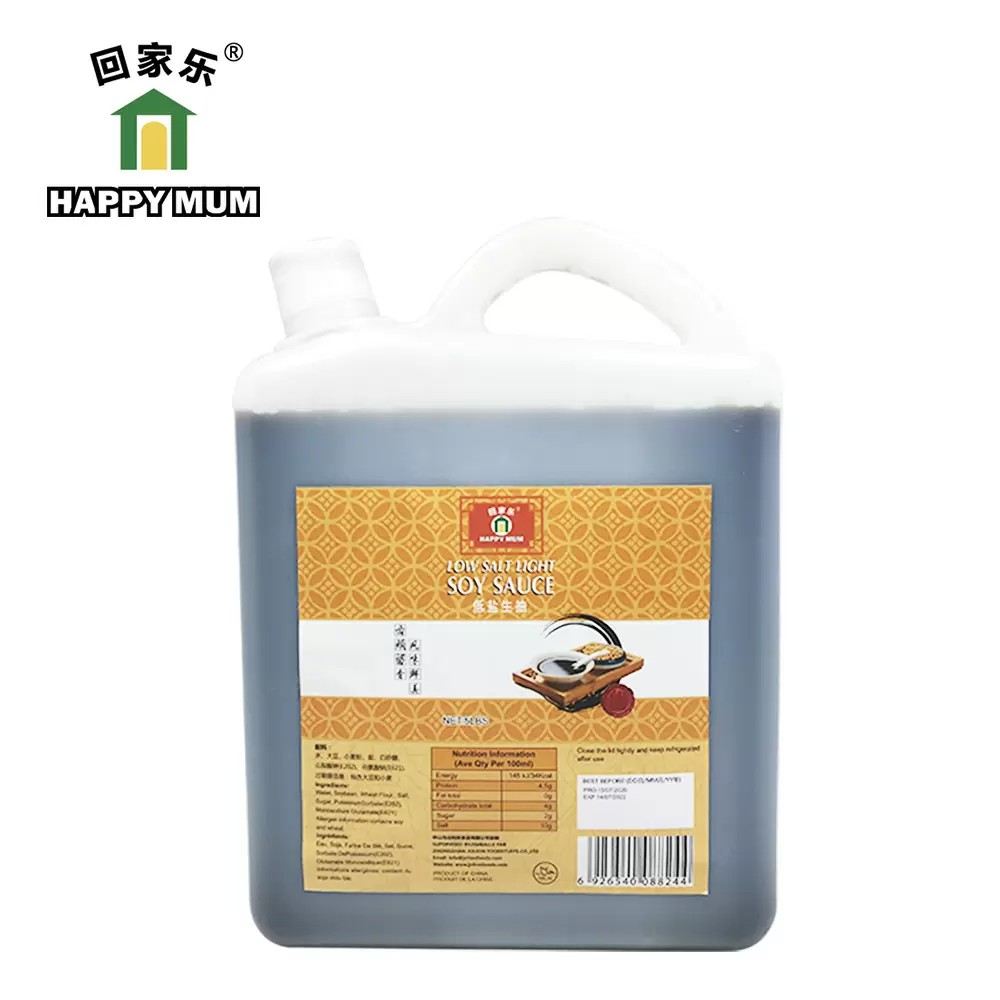
Picture shown: 5LBS superior low salt soy sauce
Elevate Your Business with JOLION Foods: Premium Soy Sauce ODM & OEM Services
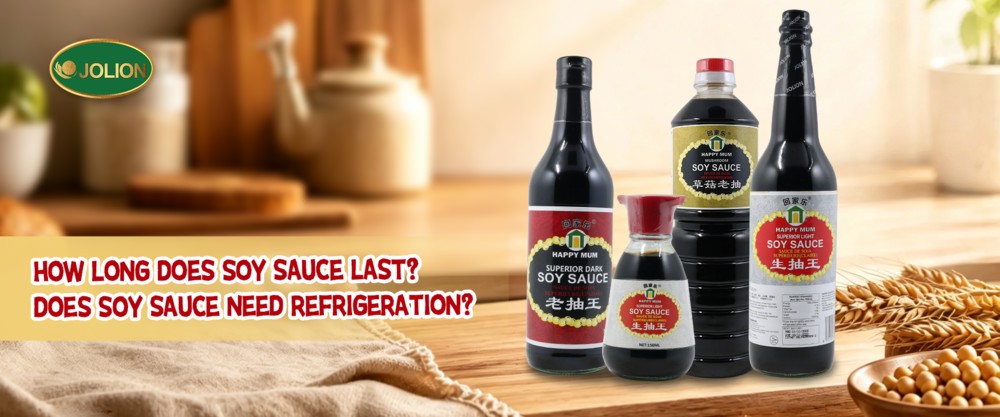
For businesses sourcing soy sauce, storage guidance is only one part of the decision. Product style, formulation, labeling, and the needs of the destination market also matter. At JOLION Foods, we have been a leading oriental sauce and foodstuff manufacturer since the 2000s. Located in Guangdong, China, our factory spans 40,000 square meters and boasts an annual output of 75,000 tons.
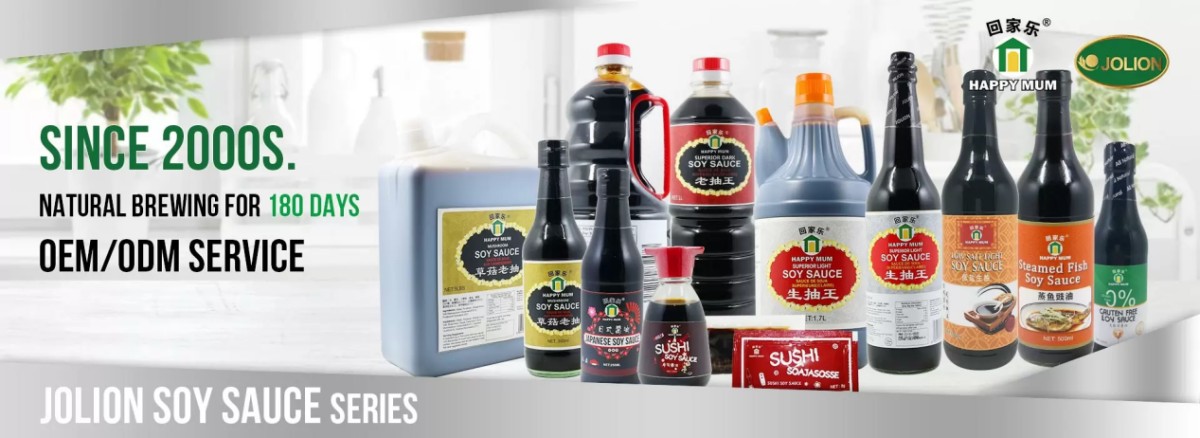
If you are a restaurant chain, food distributor, supermarket, or private-label brand looking for reliable wholesale or custom sauce manufacturing, our Soy Sauce OEM & ODM services are tailored for you:
- Traditional Brewing: We strictly use non-GMO soybeans and wheat flour, naturally brewing our soy sauce under the sunshine for over 180 days to ensure it is rich in essential amino acids and umami flavor.
- Diverse Product Line: Our soy sauce range includes light, dark, mushroom, gluten-free, low-salt, and steamed fish varieties, along with other options to meet diverse market needs.
- Global Quality Standards: You can buy with confidence. Our facilities comply with standards and requirements associated with HALAL, HACCP, KOSHER, FDA, ISO, and SGS.
- Business-Friendly Terms: We support global partners with manufacturer-direct pricing, free samples, low minimum order quantities, and fast lead times (as short as 15 days).
If you need any soy sauce support, contact JOLION Foods’ professional team!
FAQs
1. Can you use soy sauce after the best-by date?
Possibly, if it is unopened, properly stored, and free of packaging damage or signs of spoilage. The date is an important quality reference, though, and a manufacturer may not guarantee quality beyond it. For business use, follow your supplier’s product specifications and stock-management requirements.
2. Can soy sauce be left out overnight?
Regular commercial soy sauce left out overnight in its closed bottle is generally not a concern solely because it was unrefrigerated. This does not apply to soy sauce mixed with food, water, or other ingredients, or to a product whose label requires refrigeration after opening.
3. Does low-sodium soy sauce need refrigeration?
Check the label and refrigerate it when directed. Lower-sodium formulations should not be assumed to store like traditional full-salt soy sauce. Some soy sauce brands explicitly instruct customers to refrigerate their less sodium soy sauce after opening and keep the lid tightly closed.
4. Can you freeze soy sauce?
You can try, but it is usually unnecessary. Soy sauce’s salt content affects how it freezes, and freezing may change its flavor or texture. If you do freeze some, use a suitable sealed container with room for expansion rather than placing a full glass bottle in the freezer. Refrigeration is usually the more practical way to protect an opened bottle’s quality.
Related News
- Sep 30, 2026Can You Freeze Egg Noodles?
- Sep 30, 2026How Long Does Soy Sauce Last? Does Soy Sauce Need Refrigeration?
- Aug 06, 2026Low Sodium Soy Sauce: Is It Actually Healthier, and How Does It Compare to Light Soy Sauce?
- Aug 06, 2026Is MSG Bad for You? The Science-Backed Truth About Monosodium Glutamate Side Effects
- Jun 01, 2026How Long Does Canned Pineapple Last: A Complete Guide
- Jun 01, 2026How Long Does Canned Fruit Last? A Complete Guide
Start Your Seasoning Sauce Business by a Free Quote
GET FREE QUOTES
If you are interested in our services, let's have a try on the first project