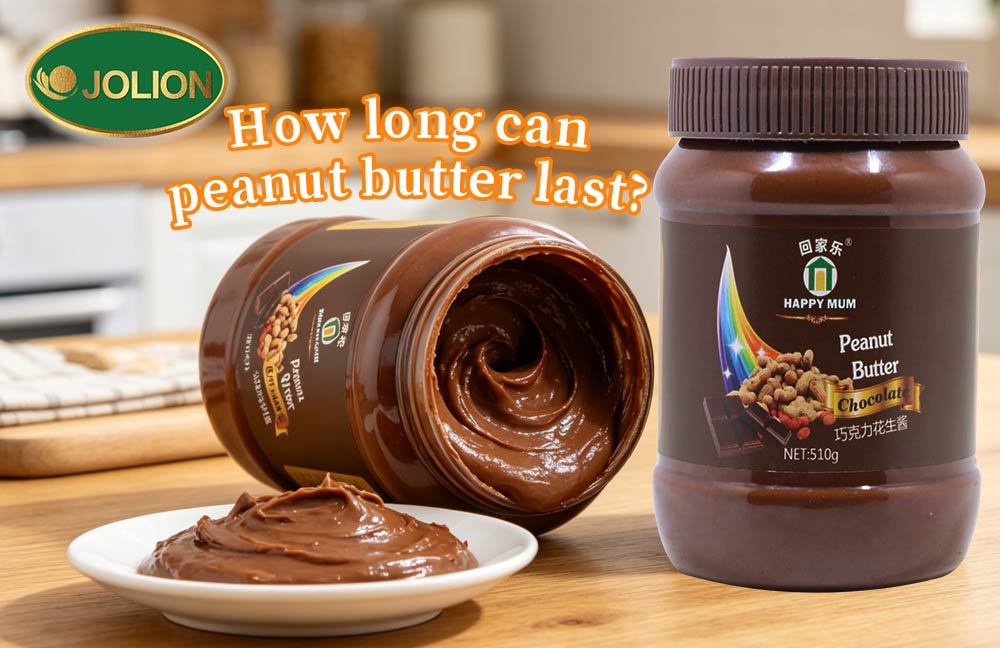
How Long Can Peanut Butter Last?
For businesses in the food service, retail, and wholesale industries, understanding product shelf life is essential to managing inventory, ensuring customer satisfaction, and minimizing waste. Among the most popular items in any pantry or commercial kitchen is peanut butter—a staple that combines versatility with broad consumer appeal. Yet the question we frequently hear from partners is simple but critical: how long can peanut butter last? The answer depends on several factors, from ingredient composition to storage conditions. As a trusted partner to businesses worldwide, we believe in equipping our clients with the knowledge they need to make informed sourcing and stocking decisions.
Unopened Stability: A Long-Term Investment
When stored properly, unopened peanut butter offers exceptional longevity. For conventional peanut butter containing stabilizers and preservatives, the shelf life typically ranges from one to two years past the production date. Natural varieties, which lack these additives, generally maintain peak quality for approximately one year when left unsealed. This brings us back to the core question: how long can peanut butter last in its original sealed container? The answer is reassuringly long—provided it is kept in a cool, dry environment away from direct sunlight. For businesses, this extended unopened shelf life translates into reduced spoilage risk and greater flexibility in bulk purchasing.
Once Opened: Quality and Safety Considerations
After opening, the clock begins to tick more noticeably. Exposure to air introduces the possibility of oxidation, which can affect flavor and texture over time. Typically, opened conventional peanut butter remains at optimal quality for two to three months when stored at room temperature, though refrigeration can extend this period. Natural peanut butter, with its absence of preservatives, often requires refrigeration after opening to prevent oil separation and maintain freshness. So, how long can peanut butter last after the seal is broken? For businesses using products like our 200g Chocolate Peanut Butter—a delicious combination of rich, creamy peanut butter and decadent chocolate—we recommend adhering to proper storage protocols to preserve that irresistible pairing of flavors that customers love.
The Role of Ingredients in Shelf Life
Different formulations yield different longevity profiles. Classic peanut butter relies on stabilizers to lock in consistency and extend shelf life. Natural varieties trade these stabilizers for purity, which can shorten the window of peak quality. Specialty blends, such as chocolate-infused options, introduce additional considerations. In the case of our Chocolate Peanut Butter, the combination of premium ingredients is crafted not only for taste—whether used as a sandwich spread, paired with jam or honey, or incorporated into indulgent desserts—but also for reliable performance in commercial settings. Understanding these nuances helps answer how long can peanut butter last across your product lineup.
Maximizing Value Through Knowledge
Ultimately, shelf life is not merely a number on a label; it is a critical factor in supply chain efficiency, customer experience, and brand reputation. By selecting products formulated for stability and training staff on proper storage practices, businesses can confidently manage their inventory while delivering consistently fresh, flavorful products to their customers.
At JOLION Foods, we understand that reliability is the foundation of successful B2B partnerships. From our carefully crafted Chocolate Peanut Butter to our broader portfolio, we prioritize quality, consistency, and transparency. We invite you to partner with a manufacturer that values your operational needs as much as your customers’ taste buds—because when you know exactly how long can peanut butter last, you can plan smarter, stock better, and serve with confidence.
Related News
- Sep 30, 2026Can You Freeze Egg Noodles?
- Sep 30, 2026How Long Does Soy Sauce Last? Does Soy Sauce Need Refrigeration?
- Aug 06, 2026Low Sodium Soy Sauce: Is It Actually Healthier, and How Does It Compare to Light Soy Sauce?
- Aug 06, 2026Is MSG Bad for You? The Science-Backed Truth About Monosodium Glutamate Side Effects
- Jun 01, 2026How Long Does Canned Pineapple Last: A Complete Guide
- Jun 01, 2026How Long Does Canned Fruit Last? A Complete Guide
Start Your Seasoning Sauce Business by a Free Quote
GET FREE QUOTES
If you are interested in our services, let's have a try on the first project