
- Top 10 Chinese Chili Sauce Manufacturers for Wholesale and OEM BuyersOct 14, 2026As a major exporter of chili sauces, China offers global buyers a wide range of options, from mild dipping sauces to spicy chili oils and regional pastes.
- Top 10 Soy Sauce Manufacturers in China: A Guide for Wholesale BuyersOct 13, 2026China is a major supplier of soy sauce to international markets.
- Can You Freeze Egg Noodles?Sep 30, 2026
How Long Do Ramen Noodles Last?
Ramen noodles are a global staple, valued by restaurants and distributors for their versatility and high demand. Managing them properly helps maintain food safety and product quality. Then, how long do ramen noodles last? The answer typically ranges from a few days to two years, depending on the specific product type—whether it is instant, fresh, dry, or cooked. Proper knowledge of these variations ensures that you can deliver the premium quality and texture.
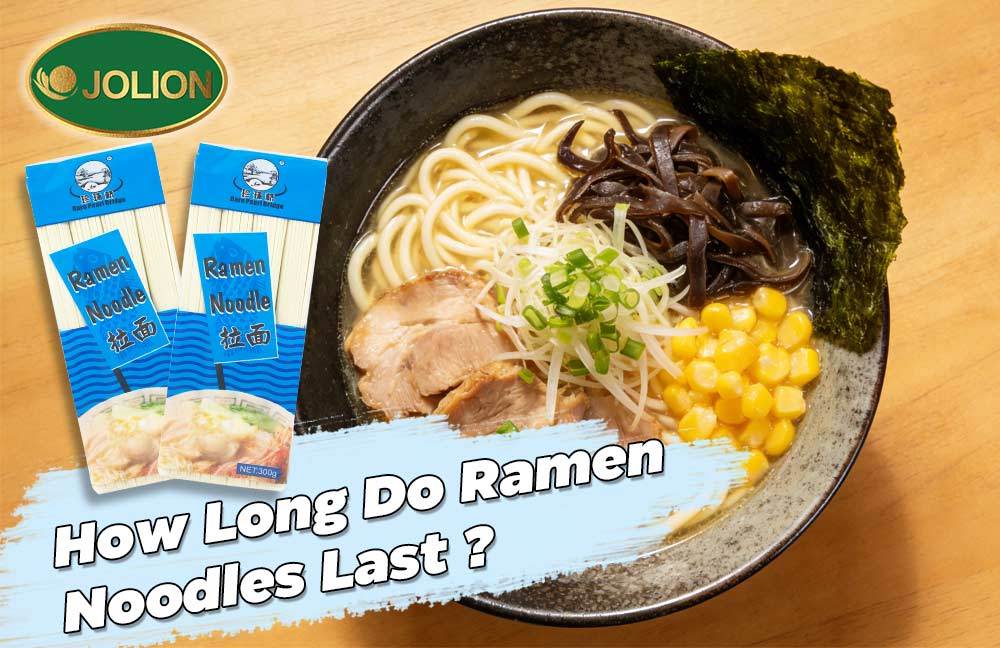
How Long Do Ramen Noodles Last?
The duration for which ramen remains peak quality depends entirely on its processing method and moisture content.
1. How Long Does Instant Ramen Last (Packaged and Cup Noodles)?
Instant ramen is engineered for longevity. Through deep-frying, moisture is reduced to a mere 3–6%, making it highly resistant to bacterial growth. Bagged instant noodles generally have a shelf life of 8 months to 2 years. In contrast, cup noodles typically have a shorter window, usually between 6 and 12 months, due to the porous nature of the packaging materials.
2. How Long Does Fresh Ramen Last?
Fresh noodles possess high moisture levels, which limits their lifespan. Commercially refrigerated ramen usually lasts 1 to 3 weeks, but the shelf life is generally shorter if the noodles contain fresh ingredients. Homemade versions are much more volatile, lasting only 2 to 3 days in a refrigerator before the quality degrades significantly. A simple way to extend their shelf life is to store the ramen in the freezer.
3. How Long Do Dry Ramen Noodles Last?
Dry noodles without seasoning packets are the marathon runners of the pantry. If kept in optimal conditions, these can remain viable for 12 to 24 months. Their lack of oil (unlike fried instant noodles) prevents the rapid oxidation that can cause off-flavors.
4. How Long Do Cooked Ramen Noodles Last?
Once prepared, the clock ticks much faster. Cooked leftovers should be refrigerated properly, and it is usually recommended to consume them within 3 to 4 days. While they can be frozen for a longer life, the delicate starch structure often suffers upon thawing.
Can You Eat Expired Ramen? How Long Do Ramen Noodles Last After Expiration Date?
To answer this, let us first distinguish between two common labels:
A "Best By" date is a manufacturer's estimate of peak quality. For instant ramen, the product is generally safe to consume 3 to 12 months past this date, provided the packaging remains intact. However, the seasoning packet may lose its punch, and the noodles might develop an off-flavor due to the oxidation of fats.
For fresh or refrigerated ramen, the "Use By" date should be treated as a hard deadline. The moisture in these products makes them susceptible to pathogens like Listeria, and consuming them past the date poses a genuine food safety risk.
How to Tell if Ramen Is Bad
Don't rely solely on the date on the package. Use your senses to evaluate if your noodles are still fit for consumption:
1. Visual Cues: Look for any signs of mold, which may appear as green, black, or white fuzzy spots (especially on fresh or cooked noodles). For instant ramen, look for discoloration or dark spots on the noodle block.
2. The Sniff Test: Give the noodles a smell. If they have a sour, fermented, or metallic scent, the oils have likely gone rancid. Fresh noodles should smell like wheat; any "off" or "funky" odor is a red flag.
3. Texture: Cooked or fresh noodles that feel excessively slimy to the touch have started to break down and should be discarded. Instant noodles that have lost their "snap" or feel soft/soggy in the package have likely been exposed to moisture.
4. Packaging Issues: If the plastic wrap or the cup has a hole, tear, or significant denting, moisture and pests may have entered. If the package looks "puffed up," it’s a sign of gas production from bacterial activity inside.
Tips to Store Your Ramen Properly
Maximize your investment by following these storage best practices:
1. Cool, Dry, and Dark: Store dry and instant ramen in a pantry away from the stove, dishwasher, or sunlight. Heat and light accelerate the oxidation of the oils in the noodles.
2. Airtight Containers: If you open a multi-pack of dry noodles, transfer the unused portions to a glass or plastic airtight container. This keeps moisture out and prevents the noodles from absorbing odors from other foods in your pantry.
3. Freezing Fresh Ramen: If you buy fresh noodles in bulk, portion them into freezer bags. They can be frozen for up to 2–3 months without losing their structural integrity.
4. Rotate Your Stock: Practice the FIFO (First In, First Out) method. Place newer purchases at the back of the pantry or warehouse and move older ones to the front to ensure you use them before they reach their "Best By" date.
Premium Noodle Solutions with JOLION Foods
For restaurants, food distributors, and international importers, the quality of your supplier is just as important as your storage methods. JOLION Foods has been a leading manufacturer of oriental foodstuffs since the early 2000s, operating from a state-of-the-art 40,000-square-meter facility.
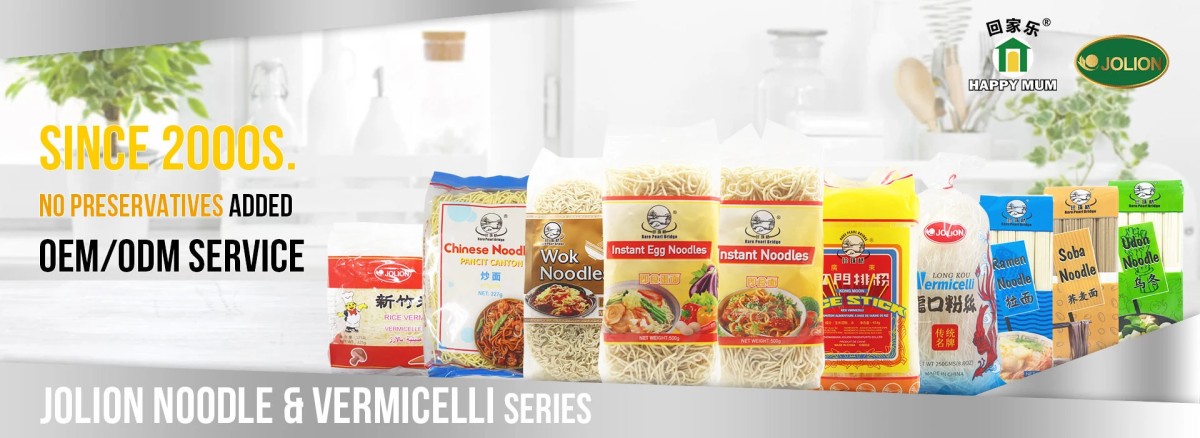
With an annual production capacity of 15,000 tons, we offer a diverse range of Asian noodles, including egg noodles, instant ramen, udon, soba, and gluten-free options. We specialize in OEM/ODM services, providing fully customized packaging and specifications for private-label brands looking to enter the global market. Our commitment to safety is backed by international certifications, including HACCP, BRC, FDA, HALAL, and KOSHER, ensuring our products meet the highest regulatory standards in over 120 countries.
Whether you are a supermarket chain like Walmart or a specialized food distributor, JOLION Foods provides the consistency and scale you need!
Conclusion
In summary, the shelf life of ramen noodles varies by type, and the general situation is:
Instant ramen lasts 6 months to 2 years.
Fresh ramen lasts a few days to 3 weeks (longer if frozen).
Dry ramen noodles last 12 to 24 months.
Cooked ramen should be consumed within 3–4 days.
Proper storage protects quality and safety. For reliable, certified noodle solutions at scale, connect with JOLION Foods to explore tailored products and long-term supply partnerships!
Related News
- Oct 14, 2026Top 10 Chinese Chili Sauce Manufacturers for Wholesale and OEM Buyers
- Oct 13, 2026Top 10 Soy Sauce Manufacturers in China: A Guide for Wholesale Buyers
- Sep 30, 2026Can You Freeze Egg Noodles?
- Sep 30, 2026How Long Does Soy Sauce Last? Does Soy Sauce Need Refrigeration?
- Aug 06, 2026Low Sodium Soy Sauce: Is It Actually Healthier, and How Does It Compare to Light Soy Sauce?
- Aug 06, 2026Is MSG Bad for You? The Science-Backed Truth About Monosodium Glutamate Side Effects
Start Your Seasoning Sauce Business by a Free Quote
GET FREE QUOTES
If you are interested in our services, let's have a try on the first project