The Difference Between Indian and Chinese Sesame Oils
Sesame oil is a beloved ingredient in various cuisines around the world, particularly in Indian and Chinese cooking. However, significant differences exist between Indian and Chinese sesame oils, affecting flavor, usage, and production methods. Understanding these differences is crucial for chefs and distributors aiming to utilize the best of both worlds in their culinary endeavors. In this article, we explore the key distinctions between Indian and Chinese sesame oils.
Flavor Profiles and Variants
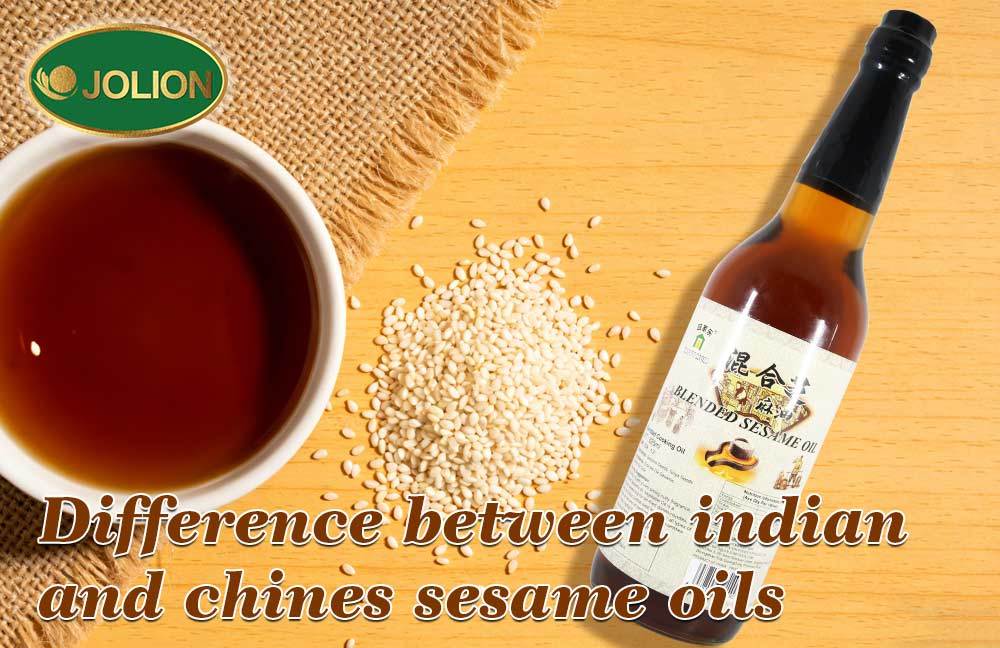
One of the primary differences between Indian and Chinese sesame oils lies in their flavor profiles. Indian sesame oil is often made from raw sesame seeds and has a milder, nuttier taste. It is typically used for cooking and is favored in many Indian dishes. In contrast, Chinese sesame oil is usually made from toasted sesame seeds, resulting in a much stronger, richer, and slightly bitter flavor. This toasted variety is perfect for enhancing the aroma of dishes and is commonly used as a finishing oil in stir-fries and dressings. Understanding the flavor profiles is essential for chefs looking to achieve authentic tastes in their recipes.
Culinary Applications
The difference between Indian and Chinese sesame oils also extends to their culinary applications. Indian sesame oil is versatile and can be used in frying, sautéing, and even as a dressing. Its lighter flavor makes it suitable for a variety of dishes, including curries and vegetable preparations. Conversely, Chinese sesame oil is often used sparingly, mainly as a flavor enhancer. It is best added at the end of cooking to preserve its robust fragrance, making it ideal for dishes like cold salads and hotpots. When choosing between the two, consider the culinary application to ensure the desired taste profile.
Health Benefits and Nutritional Value
Both Indian and Chinese sesame oils offer unique health benefits, contributing valuable nutrients to the diet. Indian sesame oil is rich in antioxidants, vitamins, and essential fatty acids, making it an excellent choice for promoting good health, especially for babies and the elderly. Chinese sesame oil shares many of these benefits, including healthy fats and antioxidants, but its concentrated flavor allows it to be used more sparingly. For distributors considering quality sesame oils, recognizing the health aspects relevant to consumers is crucial in marketing these products effectively.
Embracing the Unique Qualities of Sesame Oils
In summary, understanding the differences between Indian and Chinese sesame oils is vital for enhancing culinary creations and satisfying diverse consumer preferences. The variances in flavor, application, and nutritional benefits make each oil uniquely valuable in its context. By embracing these qualities, chefs and distributors can elevate their offerings and provide an authentic taste experience. At JOLION Foods, we are proud to produce premium sesame oils, ensuring that our clients meet the evolving demands of their customers while celebrating the rich culinary traditions of both India and China.
Related News
- Aug 06, 2026Low Sodium Soy Sauce: Is It Actually Healthier, and How Does It Compare to Light Soy Sauce?
- Aug 06, 2026Is MSG Bad for You? The Science-Backed Truth About Monosodium Glutamate Side Effects
- Jun 01, 2026How Long Does Canned Pineapple Last: A Complete Guide
- Jun 01, 2026How Long Does Canned Fruit Last? A Complete Guide
- May 20, 2026Choosing a Trusted Japan Wasabi Sauce Manufacturer in China for Authentic Flavor
- May 19, 2026Why Our Supply Chain Trusts This Gluten Free Soy Sauce Manufacturer in China
Start Your Seasoning Sauce Business by a Free Quote
GET FREE QUOTES
If you are interested in our services, let's have a try on the first project