- Top 10 Chinese Chili Sauce Manufacturers for Wholesale and OEM BuyersOct 14, 2026As a major exporter of chili sauces, China offers global buyers a wide range of options, from mild dipping sauces to spicy chili oils and regional pastes.
- Top 10 Soy Sauce Manufacturers in China: A Guide for Wholesale BuyersOct 13, 2026China is a major supplier of soy sauce to international markets.
- Can You Freeze Egg Noodles?Sep 30, 2026
Canned Food Market in 2026 and Beyond: A Complete Business Guide
The global canned food market remains a cornerstone of the modern food industry, serving as a vital link in global food security and daily nutrition. As we look toward 2026, the sector continues to see steady growth, primarily driven by a universal demand for convenience, extended shelf life, and evolving consumer lifestyles.
For restaurants, distributors, and food manufacturers, understanding this resilient market is essential for navigating the complexities of supply chains and meeting the needs of a fast-paced, health-conscious world.
Overview of the Canned Food Market: Global Trends and Projections
The scale of the global canned food industry is significant and expanding. Projections indicate that the market will reach a valuation of approximately USD 143.96 billion by 2026, with continued growth expected to hit USD 177.98 billion by 2031, representing a steady CAGR of 4.34%.
1. Regional Dominance and Emerging Growth
In 2025, Europe holds the largest market share at roughly 38.70%, supported by well-established consumption habits and sophisticated logistics. However, the most rapid expansion is occurring in South America, which is projected to grow at a CAGR of 7.12% through 2031. Meanwhile, the Asia-Pacific region is emerging as a powerhouse for canned meat and seafood, fueled by rapid urbanization and a growing middle class seeking reliable protein sources.
2. Diversifying Product Categories
The market is broadly categorized into several key segments:
Seafood: The largest segment, accounting for over 33% of the market, including staples like tuna, sardines, and mackerel.
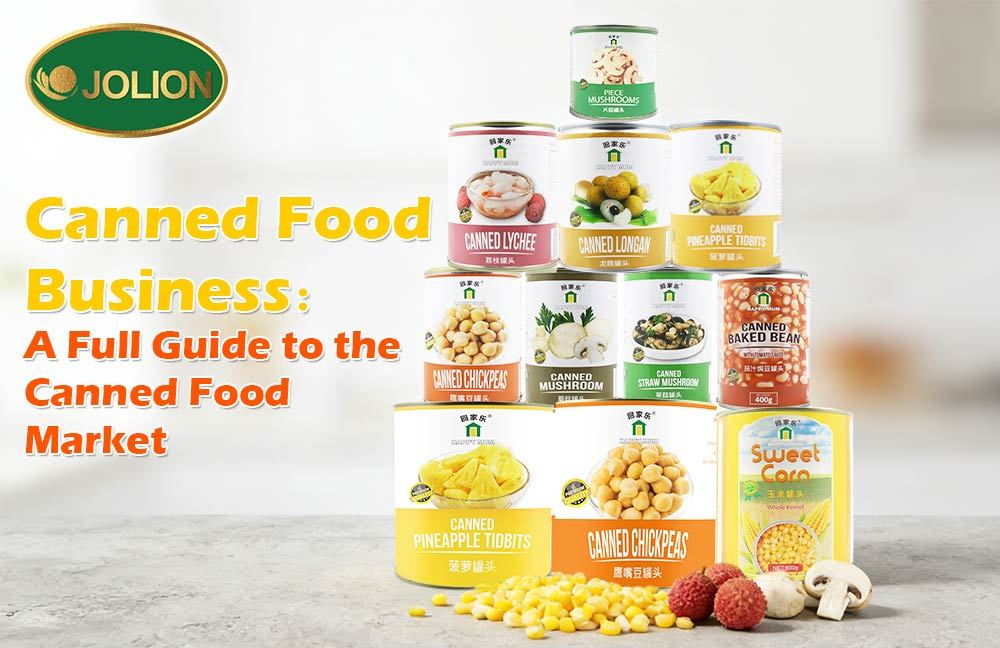
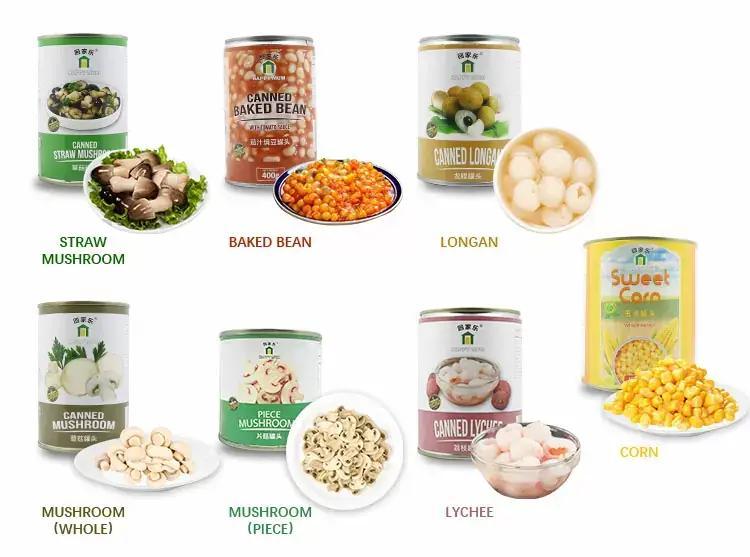
Vegetables and Fruits: Essential pantry items such as tomatoes, sweet corn, mushrooms, peaches, and pineapples.
Meat and Poultry: Beef, pork, and chicken products designed for long-term storage.
Ready-to-Eat (RTE) Meals & Soups: High-growth areas including pasta sauces, stews, and specialized broths.
3. Key Consumer Trends: Health and Sustainability
Modern consumers are no longer just looking for a quick meal; they are looking for "clean-label" products. There is an increasing demand for low-sodium options, preservative-free ingredients, and transparent sourcing. Sustainability has also become a non-negotiable factor; the infinite recyclability of metal cans makes them a preferred choice for eco-conscious shoppers compared to plastic alternatives.
How to Start Your Canned Food Business: Step-by-Step
Launching a successful canned food business requires a blend of culinary innovation and rigorous technical compliance. Whether you are an international importer or a private-label brand, following these steps is critical.
Step 1: Market Research & Product Development
Success usually begins with identifying a gap in the market—perhaps plant-based canned stews or ethnic-flavored vegetables. Conduct thorough research to understand local taste preferences and price sensitivities. Work with food scientists to develop recipes that maintain their flavor, texture, and nutritional value through the thermal processing (canning) stage.
Step 2: Navigating Regulations
This is the most critical stage. The food industry follows strict rules to keep products safe for consumers. You must comply with international standards such as HACCP (Hazard Analysis and Critical Control Points) and ISO certifications.
Depending on your region, you will need approval from the FDA (USA), EFSA (Europe), or similar local bodies. Detailed labeling—including nutritional facts, allergen warnings, and origin tracking—is mandatory.
Step 3: Sourcing & Production
The quality of your final product depends entirely on your raw ingredients. Establishing a reliable supply chain for fresh produce or meat is essential. Many new brands choose to partner with a contract canned food manufacturer to handle the heavy lifting of sterilization, vacuum sealing, and large-scale cooking, allowing the brand owner to concentrate on marketing.
Step 4: Packaging & Branding
Your packaging must do two things: protect the food and sell the product. In 2026, minimalist designs with "eco-friendly" messaging perform best. Consider how your brand will look on a digital shelf (e-commerce) as much as a physical one.
Key Challenges for Starting Your Canned Food Business
While the opportunities are vast, several barriers to entry exist:
1. High Competition: The market is crowded with global giants and aggressive regional players. Differentiation through unique flavors or premium organic positioning is essential.
2. Capital Investment: Setting up a private canning facility requires massive upfront costs for machinery (such as retorts, seamers, and fillers). This is why many startups opt for wholesale canned goods or third-party manufacturing.
3. Regulatory Complexity: Maintaining consistent safety standards across every batch is a logistical challenge that requires constant monitoring and auditing. Failure to meet standards can lead to costly recalls or legal issues.
Let JOLION Foods Help You Scale Your Brand
For businesses looking to enter the canned food market without the headache of building a factory from scratch, JOLION Foods is your ideal partner. As a premier canned food manufacturer with over 20 years of expertise, JOLION Foods offers the scale and safety that professional distributors and importers require.
Our 40,000-square-meter facility features 12 fully automated production lines with an annual output of 75,000 tons. We provide an extensive variety of high-quality products, including canned mushrooms, sweet corn, baked beans, and tropical fruits like longan and lychee.
What sets JOLION Foods apart is our commitment to global standards. We hold a comprehensive suite of certifications, including BRC, HACCP, FDA, HALAL, KOSHER, and ISO, ensuring your products meet the strictest regulations in any target region. Our robust OEM and ODM services allow you to customize formulas and packaging—from small retail cans to large industrial gallons—helping you launch your brand with confidence.
Conclusion
The canned food market continues to grow, offering vast opportunities for entrepreneurs in the canned food business. Success depends on understanding market trends, consumer preferences, and regulatory requirements. Partnering with an experienced manufacturer like JOLION Foods can streamline production and ensure quality. Reach out to JOLION Foods today to explore how we can help you launch and scale your canned food business!
Related News
- Oct 14, 2026Top 10 Chinese Chili Sauce Manufacturers for Wholesale and OEM Buyers
- Oct 13, 2026Top 10 Soy Sauce Manufacturers in China: A Guide for Wholesale Buyers
- Sep 30, 2026Can You Freeze Egg Noodles?
- Sep 30, 2026How Long Does Soy Sauce Last? Does Soy Sauce Need Refrigeration?
- Aug 06, 2026Low Sodium Soy Sauce: Is It Actually Healthier, and How Does It Compare to Light Soy Sauce?
- Aug 06, 2026Is MSG Bad for You? The Science-Backed Truth About Monosodium Glutamate Side Effects
Start Your Seasoning Sauce Business by a Free Quote
GET FREE QUOTES
If you are interested in our services, let's have a try on the first project