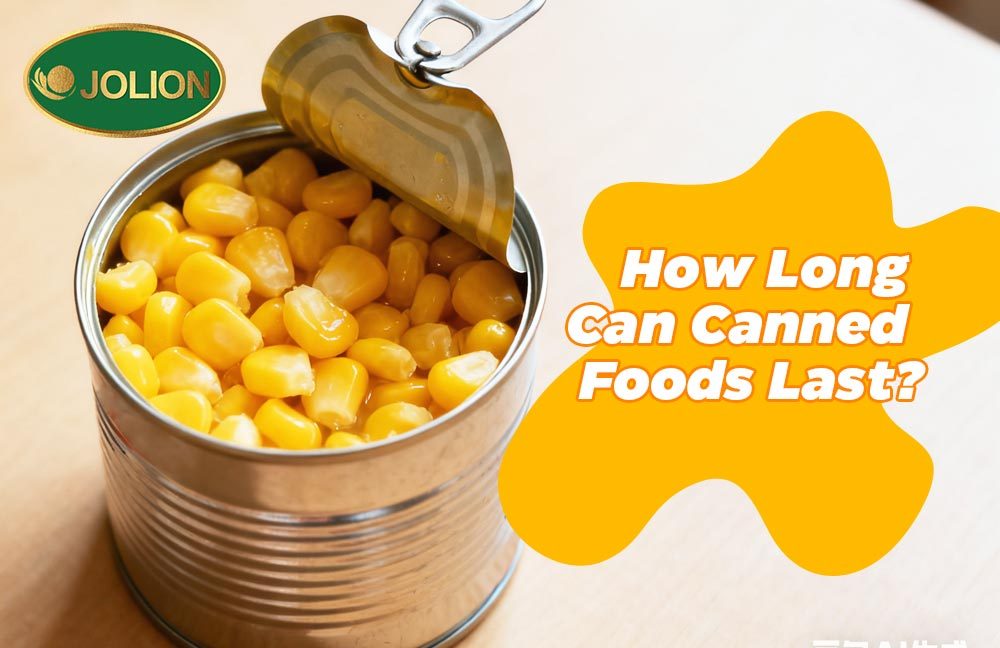
How Long Can Canned Foods Last?
Canned foods are convenient, affordable, and well-known for their long shelf life. Different products—such as vegetables, fruits, and meats—are processed using specific preservation methods to keep them safe for an extended period.
But how long can canned foods actually last? Is it still safe to eat them past the printed date? And how can you tell when a stored can should be thrown away? In general, some canned foods keep their best quality for 2–5 years past the printed date, while others are best enjoyed within 12–18 months.
JOLION Foods, as a professional canned foods manufacturer, will give you a clear and comprehensive guide to the shelf life of canned foods on this page!
Understanding the Shelf Life of Canned Foods
1. The Science Behind Commercial Canning
Commercial canning relies on two core scientific principles:
Destroying Microorganisms: Heat processing kills bacteria, yeasts, molds, and dangerous pathogens such as Clostridium botulinum.
Creating an Airtight Vacuum Seal: Removing air and sealing the container prevents recontamination, slows oxidation, and ensures long-term shelf stability at room temperature.
2. Different Dates on the Canned Container
You'll often see labels such as "best by," "use by," or "expiration" dates on the container. These dates generally indicate the period during which the food is expected to maintain its best flavor and quality. After this date, the taste or texture may begin to decline, but as long as the can itself is in good condition, the food is usually still safe to eat.
How Long Can Canned Foods Last?
Then, does canned food go bad? Yes, eventually, but often long after the date printed on the can. The actual longevity of a canned product is largely determined by its acidity. For peak quality, the following guidelines are helpful:
1. Low-Acid Foods
Low-acid foods include:
Meats (e.g., tuna, chicken, beef)
Vegetables (e.g., corn, peas, green beans)
Soups and stews
Dairy products (e.g., evaporated milk)
Beans and legumes
Shelf Life (for best quality): Generally retains best quality for 2 to 5 years past the printed date. After this, while still safe if the seal is intact, expect significant changes in color, texture, and flavor.
2. High-Acid Foods
High-acid foods include:
Tomatoes and tomato products
Fruits (e.g., pineapples, peaches, berries)
Vinegar-based products (e.g., pickles, sauerkraut)
Juices (e.g., lemon, orange)
Shelf Life (for best quality): The acidity can react with the metal can over time, slightly affecting the flavor and structure of the food. They are generally recommended to be consumed within 12 to 18 months past the printed date for best quality.
Key Takeaway: If a can is structurally sound and stored properly, the food inside is likely safe to eat even decades later, though the nutritional value and palatability will decrease.
How to Tell Whether Canned Foods Go Bad
Bulging or Swollen Can: This is the most dangerous sign. It usually indicates the presence of gas-producing bacteria, which could include Clostridium botulinum, the bacteria responsible for botulism. Discard immediately.
Leaking, Punctured, or Cracked Can: Any breach in the seal allows air and microorganisms to enter, destroying the vacuum and inviting spoilage.
Dented Can (Especially along the seams): A deep dent along the side or near the top or bottom seam can compromise the seal, making the food unsafe.
Rust: Heavy rust that could pierce the metal is a danger sign. Light surface rust is generally harmless, but if you can scrape it off, inspect the can for deep pitting.
When Opened (Visual/Odor): If the can spurts liquid when opened, has an off-odor (sour, moldy, or foul), or the food is discolored or moldy, discard it.
How to Store Canned Foods Properly
1. Temperature
Store cans in a cool,dark, and dry place. The ideal temperature is between 50°F and 70°F (10°C and 21°C).
Avoid storing cans near heat sources like the stove, oven, or furnace, as high temperatures can speed up the deterioration process and even weaken the seal.
Never freeze a can, as this can cause the food inside to expand and break the can's seal.
2. Humidity
Excessive humidity can lead to rust on the cans, which can eventually lead to seal failure.
Keep your pantry or storage area dry. Avoid storing cans in damp basements, under the sink, or near plumbing.
3. Pest Control & Rotation
Keep your storage area clean and secure, and use the “first-in, first-out” (FIFO) principle—place newer cans behind older ones, so older stock is used first.
JOLION Foods: Your Partner in Canned Food ODM & OEM Services
As we've explored the safety and longevity of canned goods, it’s clear that quality and process are everything. This is where JOLION Foods steps in.
We are a specialized provider of canned food ODM and OEM services. This means we don't just produce our own line; we help other businesses design, develop, and manufacture their own high-quality, shelf-stable canned products, from fruits to vegetables.
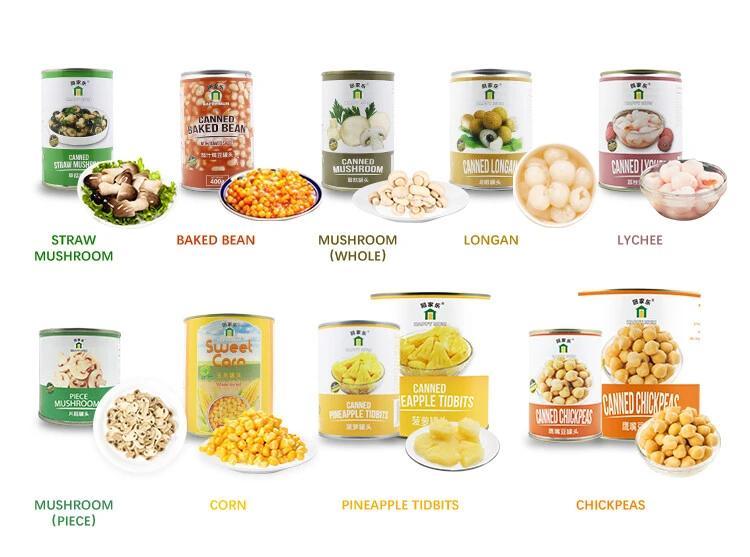
Our commitment to stringent quality control, modern canning technology, and food safety compliance ensures that the products we help you create will meet the highest standards for both flavor and shelf stability.
If you're a retailer, brand, or distributor looking to enter or expand in the canned food market, we offer the expertise and scalable solutions to bring your vision to life.
Conclusion
Understanding how long canned foods last helps you get the most value out of them. While properly stored cans can remain safe for a very long time, it’s still important to watch for any signs of spoilage.
JOLION Foods is here to help if you are seeking a reliable partner to manufacture your own line of safe, high-quality, and long-lasting canned goods. You are more than welcome to reach out to us for your tailored advice and support.
Related News
- Sep 30, 2026Can You Freeze Egg Noodles?
- Sep 30, 2026How Long Does Soy Sauce Last? Does Soy Sauce Need Refrigeration?
- Aug 06, 2026Low Sodium Soy Sauce: Is It Actually Healthier, and How Does It Compare to Light Soy Sauce?
- Aug 06, 2026Is MSG Bad for You? The Science-Backed Truth About Monosodium Glutamate Side Effects
- Jun 01, 2026How Long Does Canned Pineapple Last: A Complete Guide
- Jun 01, 2026How Long Does Canned Fruit Last? A Complete Guide
Start Your Seasoning Sauce Business by a Free Quote
GET FREE QUOTES
If you are interested in our services, let's have a try on the first project