Glass Noodles vs Vermicelli: Their Differences Explained
Noodles are a staple in many cuisines around the world, and two varieties that often cause confusion are glass noodles and vermicelli. At JOLION Foods, a brand committed to offering high-quality cooking products, we believe it's important for everyone to understand the unique features of these ingredients. In this article, we will clarify the differences between glass noodles and vermicelli so you can confidently choose the right one for your favorite dishes. Whether you're making a hearty soup or a tasty stir-fry, knowing these noodles' characteristics will enhance your cooking experience.
What Are Glass Noodles?
Glass noodles, also known as cellophane noodles or mung bean noodles, are made primarily from mung bean starch. They are transparent and flexible, featuring a slightly chewy texture when cooked. One of the defining features of glass noodles is their ability to absorb flavors from broths and sauces, making them a versatile choice for various dishes. Commonly used in Asian cuisine, glass noodles are often found in stir-fries, soups, and salads. Their unique texture and ability to blend with diverse ingredients set them apart in the glass noodles vs vermicelli debate.
Understanding Vermicelli
Vermicelli varies depending on the culinary tradition. In Asian cuisine, rice vermicelli is particularly popular, known for its delicate texture and subtle flavor. Unlike glass noodles, vermicelli is typically opaque and becomes soft and fluffy when cooked. It is often used in dishes like spring rolls, salads, and soups. The differences between glass noodles and vermicelli extend beyond texture and appearance; they also influence the types of dishes they are best suited for.
Nutritional Comparison
When considering glass noodles vs vermicelli, nutritional aspects play a significant role. Glass noodles are lower in calories and carbohydrates, making them an attractive option for those seeking lighter meal alternatives. However, they may lack certain nutrients found in rice vermicelli, which can provide more fiber and essential vitamins, particularly when made from whole grains. Understanding these nutritional differences can help culinary professionals choose the right ingredient based on dietary needs and preferences.
Making the Right Choice for Your Dishes
Glass noodles and vermicelli are both versatile ingredients commonly used in Asian cuisine, yet they have distinct characteristics that suit different culinary needs.
Glass Noodles: Made from mung bean starch, these offer a chewy texture and absorb flavors well, making them ideal for hearty soups and stir-fries.
Vermicelli: Typically made from rice or wheat, this has a finer, softer texture and a subtle rice flavor, perfect for lighter, fresher dishes like salads or spring rolls.
Both types of noodles are gluten-free and can enhance the taste of various dishes. The choice between them ultimately depends on the desired texture and flavor profile of the meal.
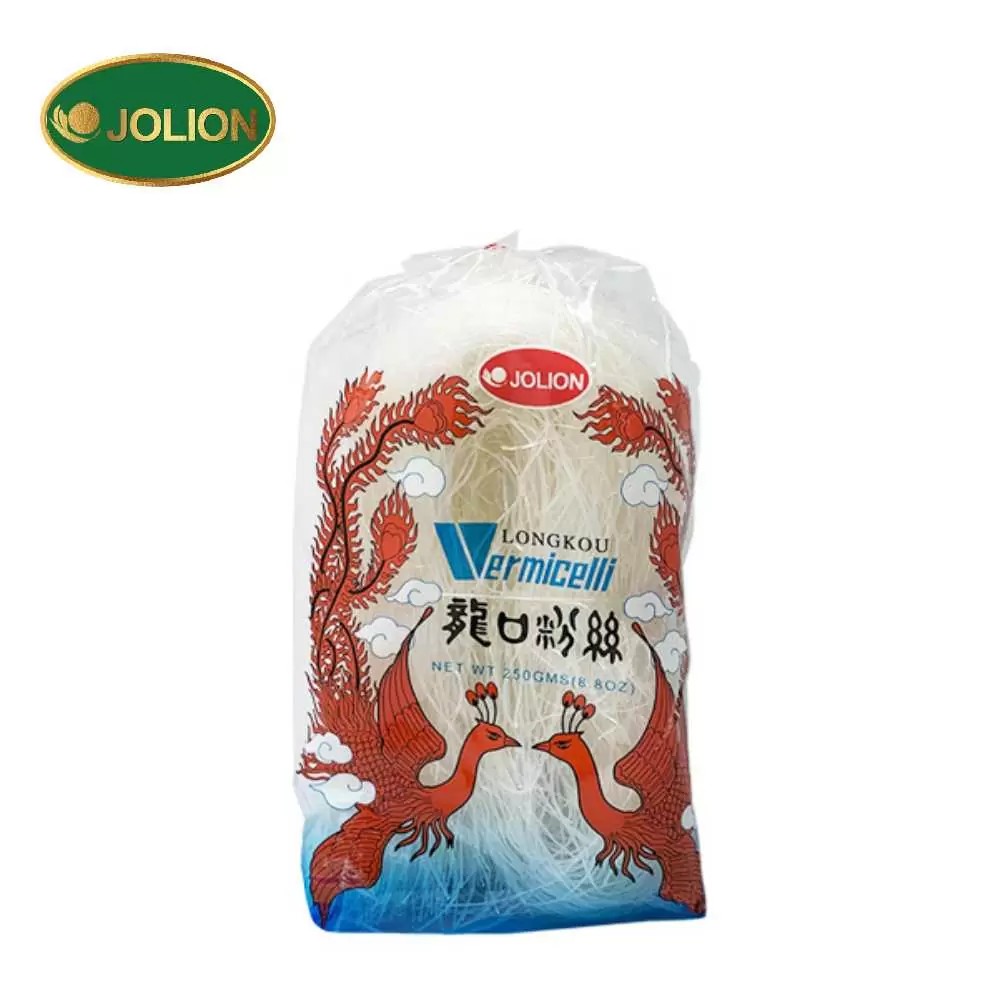
In conclusion, understanding the distinctions between glass noodles and vermicelli is crucial for seasoning distributors looking to enhance their product offerings. At JOLION Foods, we provide high-quality products, including our HAPPY MUM Brand Rice Vermicelli, designed to simplify meal preparation while delivering authentic flavors. By knowing the differences between these two noodles, you can better meet the needs of your customers and elevate their dining experiences.
Related News
- Aug 06, 2026Low Sodium Soy Sauce: Is It Actually Healthier, and How Does It Compare to Light Soy Sauce?
- Aug 06, 2026Is MSG Bad for You? The Science-Backed Truth About Monosodium Glutamate Side Effects
- Jun 01, 2026How Long Does Canned Pineapple Last: A Complete Guide
- Jun 01, 2026How Long Does Canned Fruit Last? A Complete Guide
- May 20, 2026Choosing a Trusted Japan Wasabi Sauce Manufacturer in China for Authentic Flavor
- May 19, 2026Why Our Supply Chain Trusts This Gluten Free Soy Sauce Manufacturer in China
Start Your Seasoning Sauce Business by a Free Quote
GET FREE QUOTES
If you are interested in our services, let's have a try on the first project