Asian Steamed Fish with Ginger: Ingredients, Cooking Time, and Flavor Profile
Asian steamed fish with ginger is a culinary delight cherished across many cultures, known for its delicate flavors and health benefits. This dish not only highlights the natural qualities of the fish but also showcases the aromatic warmth of ginger. Here, we will delve deeper into the essential ingredients, cooking time, and the flavor profile that makes this dish a standout.
Essential Ingredients
To prepare the perfect Asian steamed fish with ginger, selecting high-quality ingredients is crucial. Here’s a detailed list of what you’ll need:
Fresh Fish
Type of Fish: Opt for a whole fish, such as snapper, sea bass, or tilapia. These varieties are known for their mild flavor and tender texture. Freshness is key, so look for fish with bright, clear eyes and a mild ocean scent. If possible, buy from a trusted fishmonger or local market.
Ginger
Fresh Ginger: Using fresh ginger is essential to impart that warm, aromatic quality characteristic of this dish. Choose ginger that is firm and smooth-skinned. Slice it thinly to maximize its flavor infusion during steaming.
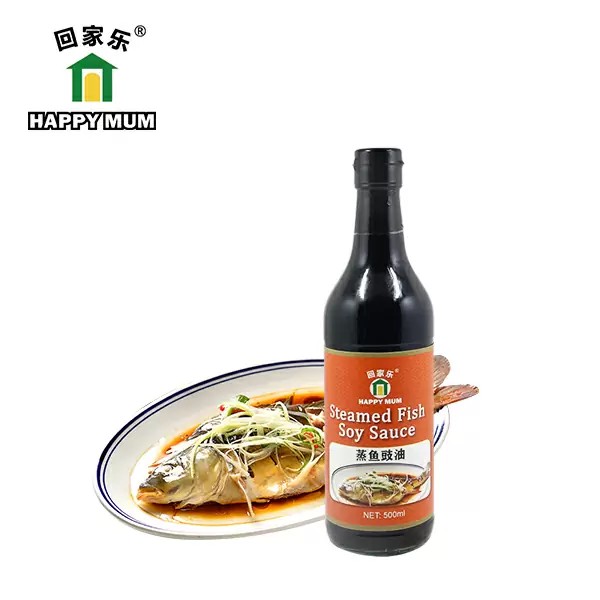
Steamed Fish Soy Sauce
Steamed Fish Soy Sauce: This specially crafted soy sauce enhances the dish without overpowering it. Its light, nuanced flavor profile complements the fish and ginger perfectly. JOLION Foods’ soy sauce is made using traditional methods, ensuring a rich taste that elevates the overall dish.
Additional Ingredients
Scallions: Thinly sliced scallions can be used as a garnish and add a fresh, mild onion flavor that pairs well with the fish.
Cilantro: Fresh cilantro can be sprinkled on top as a finishing touch, adding a burst of color and herbal freshness.
Cooking Time
The preparation of Asian steamed fish with ginger is straightforward and can be completed in about 20-30 minutes. Here’s a breakdown of the process:
Preparation (10 minutes): Start by cleaning the fish thoroughly. Make sure to remove any scales and entrails. Place the cleaned fish on a heatproof plate. Generously layer the top with thin slices of fresh ginger to infuse flavor during steaming.
Seasoning (5 minutes): Drizzle the Steamed Fish Soy Sauce over the fish. This step is crucial, as the soy sauce not only seasons the fish but also contributes to the dish's overall aroma. Ensure that the sauce is evenly distributed over the ginger and fish.
Steaming (10-15 minutes): Prepare a steamer or a pot with a steaming rack. Bring water to a boil, then place the plate with the fish in the steamer. Cover and steam until the fish is cooked through and flakes easily with a fork. The cooking time may vary based on the size and thickness of the fish, so keep an eye on it.
Flavor Profile
The flavor profile of Asian steamed fish with ginger is a delightful balance of fresh, aromatic, and savory elements:
Freshness of the Fish: The primary flavor comes from the fish itself, which should taste fresh and clean. The natural sweetness of the fish is enhanced by the steaming process, making it succulent and tender.
Aromatic Ginger: Ginger adds a warm spiciness that elevates the dish, creating a delightful contrast with the fish. Its pungent notes infuse the fish as it steams, ensuring every bite is aromatic.
Savory Soy Sauce: The Steamed Fish Soy Sauce introduces a savory depth, adding umami without overwhelming the delicate flavors of the fish and ginger. This balance is what makes the dish so appealing.
Conclusion
Mastering Asian steamed fish with ginger involves attention to detail in sourcing quality ingredients and timing the cooking process just right. The combination of fresh fish, aromatic ginger, and the complementary flavors of JOLION Foods' Steamed Fish Soy Sauce creates a dish that is both pleasing to the palate and visually stunning. Whether preparing it for a family dinner or a special occasion, this dish promises to impress with its vibrant flavors, health benefits, and simplicity. Enjoy the art of cooking this classic dish and savor the delightful experience it brings.
Related News
- Aug 06, 2026Low Sodium Soy Sauce: Is It Actually Healthier, and How Does It Compare to Light Soy Sauce?
- Aug 06, 2026Is MSG Bad for You? The Science-Backed Truth About Monosodium Glutamate Side Effects
- Jun 01, 2026How Long Does Canned Pineapple Last: A Complete Guide
- Jun 01, 2026How Long Does Canned Fruit Last? A Complete Guide
- May 20, 2026Choosing a Trusted Japan Wasabi Sauce Manufacturer in China for Authentic Flavor
- May 19, 2026Why Our Supply Chain Trusts This Gluten Free Soy Sauce Manufacturer in China
Start Your Seasoning Sauce Business by a Free Quote
GET FREE QUOTES
If you are interested in our services, let's have a try on the first project