How Long Does Hot Sauce Last? The Complete Guide
Whether you're a restaurant owner stocking up on condiments, a food distributor managing bulk inventory, or a private-label brand sourcing wholesale chili sauces, you've likely asked, "How long does hot sauce last?"
The short answer — most commercial hot sauces last 1–3 years unopened, and 6 months to several years after opening, depending on storage conditions. But there's a lot more to it.
This guide covers everything from fridge storage to shelf life after opening, so you can manage your inventory with confidence.
What Determines Hot Sauce Shelf Life?
Hot sauce's impressive longevity comes down to its core ingredients, all of which act as natural preservatives:
Vinegar — Its high acidity (low pH) actively inhibits bacterial growth, making it one of the most effective natural preservatives in the bottle.
Chili peppers — Capsaicin, the compound that creates heat, also has natural antimicrobial properties that help extend shelf stability.
Salt — Through osmotic pressure, salt reduces the water activity available to microorganisms, slowing microbial reproduction significantly.
Commercial preservatives — Many store-bought hot sauces include additives such as potassium sorbate or sodium bisulfite to further extend room-temperature shelf life.
Beyond ingredients, several other factors play a role. Brand formulation, storage environment, and whether the sauce is homemade or commercially produced all affect longevity.
Commercial hot sauces go through pasteurization and strict pH control during manufacturing, giving them a shelf life measured in years. Homemade hot sauces, lacking these controls, typically last only weeks to a few months.
Proper storage — cool temperatures, dark conditions, and tight sealing — can dramatically maximize freshness across all types.
How Long Does Hot Sauce Last Unopened?
Unopened store-bought hot sauce is remarkably resilient. Stored properly, it can remain safe and flavorful for 1–3 years, with some high-acid varieties lasting even longer.
To maximize this duration, keep unopened bottles in a cool, dark place away from direct sunlight or heat sources like ovens.
While you might notice natural separation or a slight darkening of the color over time, this is often just oxidation or the settling of solids and does not necessarily indicate spoilage. A quick shake is usually all it takes to restore consistency.
How Long Does Hot Sauce Last After Opening?
Once a bottle is opened, oxygen and humidity enter and begin affecting flavor and freshness. How long hot sauce lasts after opening depends on the type and storage method:
Vinegar-based hot sauce at room temperature: 6 months to 1 year.
Vinegar-based hot sauce refrigerated: 1 to 5 years, depending on specific ingredients.
Fresh-ingredient or fruit-based varieties: Generally shorter; refrigeration is essential.
Two habits make a meaningful difference: always reseal the bottle tightly after each use to block out air and moisture, and never introduce contaminated utensils or food particles directly into the bottle. Cross-contamination is one of the fastest ways to shorten the life of an otherwise shelf-stable product.
How Long Does Hot Sauce Last in the Fridge?
For most commercially produced hot sauces, refrigeration after opening extends shelf life to 1–5 years. Fresh-ingredient or fruit-forward varieties are more perishable and typically last 1–6 months even under refrigeration.
Cold temperatures slow the growth of bacteria, yeast, and mold, while also decelerating oxidation — the process responsible for flavor dulling and color darkening. Therefore, refrigerated hot sauce retains its vibrant color and sharp, peppery flavor far longer than sauce left on a countertop.
How Long Does Hot Sauce Last Unrefrigerated?
How long hot sauce lasts unrefrigerated largely depends on its ingredient profile.
Vinegar and Salt-Based Sauces: Sauces like Tabasco or classic cayenne pepper sauces are highly resistant to spoilage and can safely sit at room temperature for several months to a year.
Fresh or Creamy Varieties: If a sauce contains fresh vegetables (garlic, onions, tomatoes), fruit purees, or oil/mayo-based emulsions, it lacks the acidic protection of pure vinegar sauces. These must be refrigerated immediately after opening to prevent rapid spoilage.
How to Tell If Hot Sauce Has Gone Bad
Even with preservatives, hot sauce is not eternal. Use these five checks to determine if it's time to toss the bottle:
1. Visible Mold — Look for fuzzy white, green, black, or pink patches, especially around the bottle cap and neck. Discard immediately.
2. The "Pop" — If you open a bottle and it hisses, vents gas, or the sauce "sprays" out, it indicates secondary fermentation. Gas buildup is a clear sign of bacterial activity.
3. The Smell Test — Healthy hot sauce smells vinegary and peppery. A yeasty, off, or putrid odor signals microbial activity and spoilage.
4. Texture Changes — Excessive clumping, slimy consistency, or separation that won't reintegrate after shaking are signs of structural breakdown.
5. Extreme Discoloration — Some darkening is normal oxidation, but a sudden shift from bright red to muddy brown or grayish tones typically signals significant aging or spoilage.
Tips to Extend Hot Sauce Shelf Life
To ensure your inventory stays fresh for as long as possible, follow these professional storage tips:
1. Keep bottles tightly sealed after every use to minimize air and moisture exposure.
2. Use clean, dry utensils — never dip food directly into the bottle, which introduces bacteria and moisture.
3. Store away from heat and direct light — avoid areas near stovetops, ovens, or sunny windowsills.
4. Refrigerate opened bottles whenever possible to preserve flavor and extend usable life significantly.
For homemade or small-batch hot sauces, always sterilize containers before filling, and clearly label each bottle with the preparation date to track freshness accurately.
Source Reliable Hot Sauce from JOLION Foods
For business buyers, food distributors, and supermarkets, sourcing a reliable product is the first step in ensuring food safety and customer satisfaction. Founded in 2000 and headquartered in Zhongshan City, Guangdong, China, JOLION Foods has built more than two decades of expertise in sauce manufacturing and global food export.
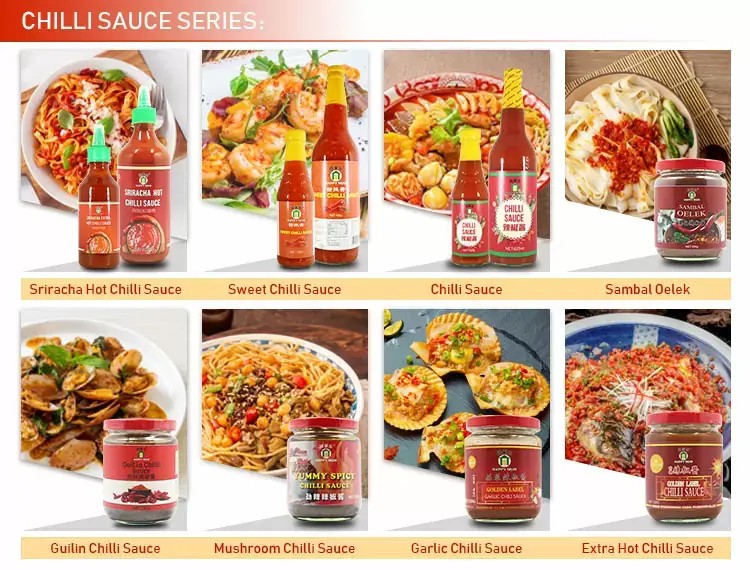
Our chili sauce product range — including classic chili sauce, sweet chili sauce, chili oil, and sriracha — is produced using fresh chili peppers and carefully selected raw materials, with strict quality control at every production stage. The factory spans 20,000 square meters, operates 6 fully automated production lines, and achieves an annual output of 15,000 tons. Monthly chili sauce capacity alone reaches 700 tons, ensuring large-volume orders are fulfilled reliably and on schedule.
Furthermore, all JOLION Foods products carry internationally recognized certifications, including HACCP, HALAL, KOSHER, FDA, SGS, and ISO, covering food safety requirements across North America, Europe, the Middle East, and Asia.
For private-label brands and OEM/ODM buyers, JOLION offers flexible packaging customization, formula development support, competitive factory-direct pricing, and free samples to evaluate quality before committing.
Conclusion
In summary, hot sauce shelf life varies based on ingredients, storage, and handling:
Unopened commercial hot sauce: Typically lasts 1–3 years in a cool, dark place.
After opening (room temperature): about 6–12 months for vinegar-based sauces.
After opening (refrigerated): Extends to 1–5 years, with better flavor retention.
Fresh or homemade sauces: Usually weeks to a few months, always refrigerated.
By following proper storage practices, you can maximize both safety and flavor. For consistent quality, long shelf life, and scalable supply, contact JOLION Foods today to explore reliable wholesale and private-label hot sauce solutions!
Related News
- Sep 30, 2026Can You Freeze Egg Noodles?
- Sep 30, 2026How Long Does Soy Sauce Last? Does Soy Sauce Need Refrigeration?
- Aug 06, 2026Low Sodium Soy Sauce: Is It Actually Healthier, and How Does It Compare to Light Soy Sauce?
- Aug 06, 2026Is MSG Bad for You? The Science-Backed Truth About Monosodium Glutamate Side Effects
- Jun 01, 2026How Long Does Canned Pineapple Last: A Complete Guide
- Jun 01, 2026How Long Does Canned Fruit Last? A Complete Guide
Start Your Seasoning Sauce Business by a Free Quote
GET FREE QUOTES
If you are interested in our services, let's have a try on the first project