Does Rice Wine Vinegar Go Bad?
Rice wine vinegar is a mild, slightly sweet condiment made by fermenting rice or rice wine. It is widely used in sushi rice, salad dressings, marinades, stir-fries, and pickling — an essential building block of Asian cuisine.
But does rice wine vinegar go bad? The short answer is: not really. When stored properly, it remains safe to use for quite a long time, though its flavor and quality can gradually decline over time. This article covers everything you need to know — shelf life, spoilage signs, proper storage, and common questions answered.
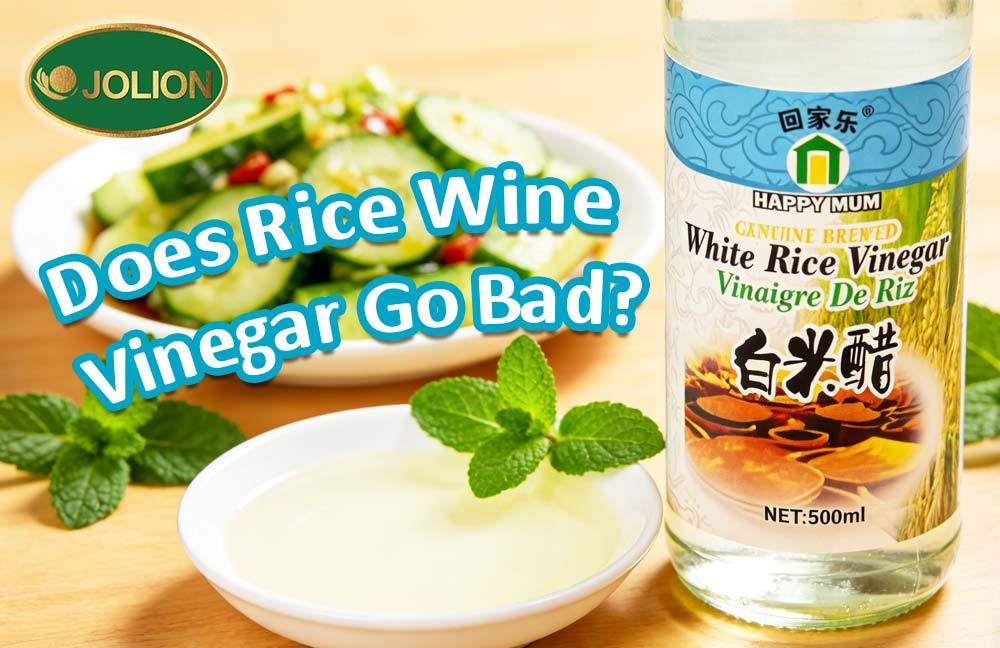
Does Rice Wine Vinegar Go Bad or Expire?
When many people ask, "Does rice wine vinegar expire?" they are often looking for a safety cutoff. Technically, vinegar is self-preserving. Its high concentration of acetic acid creates an environment that is naturally inhospitable to harmful bacteria, mold, and yeast.
Because of this high acidity, rice wine vinegar does not "go bad" in the same way dairy or meat does. It won't typically become a safety hazard even after years of storage.
However, while it remains safe to consume, its quality does not last forever. The "Best By" date printed on the bottle is a manufacturer’s guarantee of peak flavor and acidity levels, not a strict expiration date for safety. Over time, the chemical profile can shift, leading to a mellowing of the sharp bite that characterizes high-quality rice vinegar.
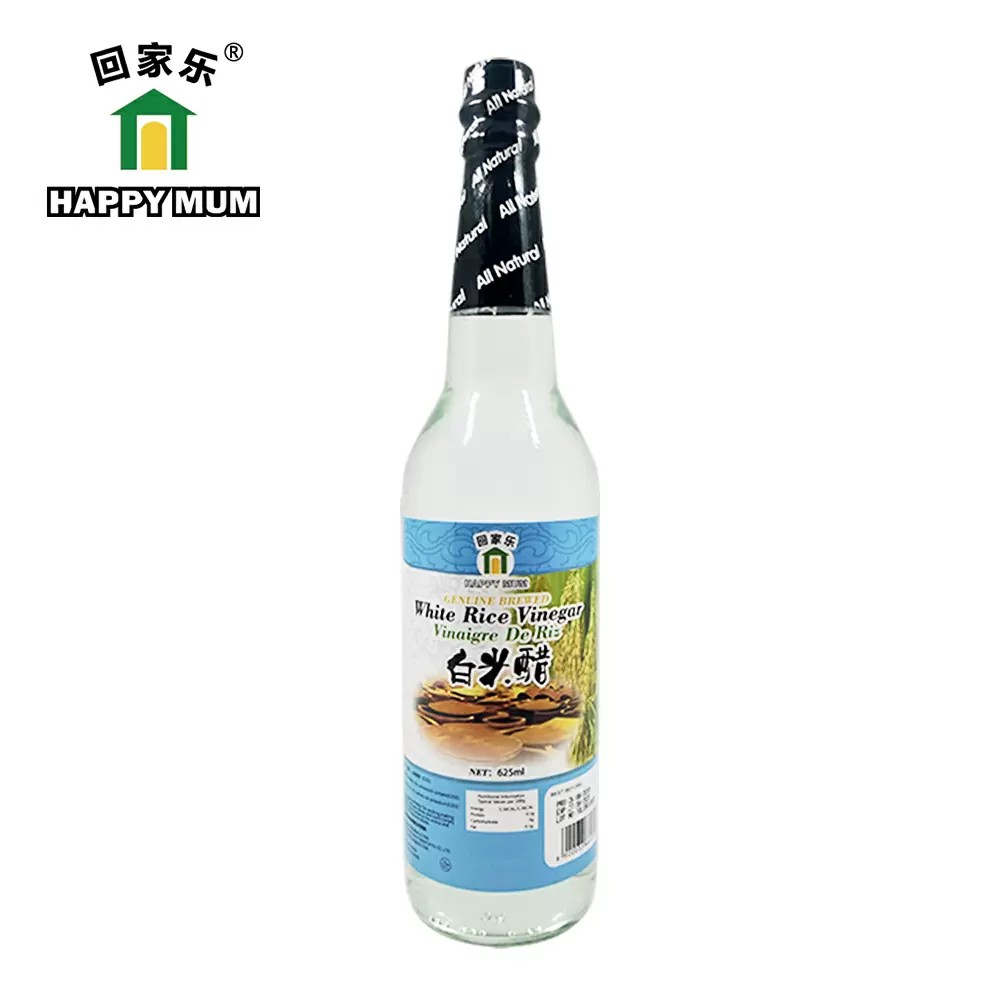
JOLION Foods halal vinegar products
How Long Does Rice Wine Vinegar Last?
Longevity depends heavily on the seal and the storage environment. For restaurants and distributors managing large inventories, understanding these timelines is essential for FIFO (First-In, First-Out) rotations.
Unopened Containers: If kept in a cool, dark environment, an unopened bottle of rice wine vinegar can maintain its best quality for 2 to 3 years. However, many experts agree that it can remain perfectly safe and usable for 10 years or more.
Opened Containers: Once the seal is broken, oxygen begins to interact with the vinegar. For the best culinary results, opened rice wine vinegar should be used within 1 to 2 years. In professional settings where bottles are tightly recapped, they can often last up to 5 years without a significant loss in character.
Factors such as exposure to direct UV light, fluctuating temperatures (common in industrial kitchens), and air exposure are the primary catalysts for quality degradation.
What Happens to Vinegar Over Time?
Even if the vinegar is safe, you might notice physical changes. Understanding these can prevent unnecessary waste in food manufacturing and retail.
1. Cloudiness or Sediment (The "Mother")
Over time, you may see a cobweb-like substance or cloudy sediment at the bottom of the bottle. This is known as the "Mother of Vinegar." It consists of beneficial acetic acid bacteria and cellulose. It is completely harmless and a natural byproduct of the fermentation process.
Note: The only exception is if the vinegar has been diluted with water (perhaps from a wet utensil) or if it is a low-acid variety. In rare cases of contamination, actual fuzzy mold could grow on the surface, which indicates the product should be discarded.
2. Darkening of Color
Due to oxidation and the Maillard reaction, rice wine vinegar may darken from a pale straw color to a deeper amber over several years. This change in color does not impact the safety of the product.
3. Flavor Mellowing
As the acetic acid slowly breaks down or evaporates, the vinegar may lose its "zip." For a food manufacturer, this could slightly alter the flavor profile of a balanced sauce or marinade, which is why testing old stock before use is recommended.
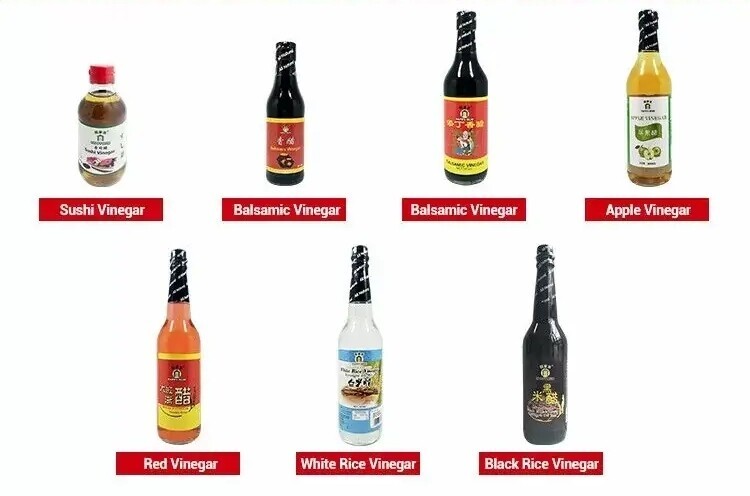
How to Store Vinegar for Best Quality
To ensure your inventory remains premium, follow these three professional storage tips:
1. Store in a Cool, Dark Place: Heat is the enemy of flavor. Keep vinegar away from ovens, grills, or sunny windows. A dedicated pantry or temperature-controlled warehouse is ideal.
2. Keep it Tightly Sealed: Oxidation is the primary cause of flavor loss. Always ensure the cap is tightened immediately after use to prevent the acetic acid from weakening.
3. Use Clean Utensils: Never dip used spoons or fingers into the bulk container. Cross-contamination can introduce moisture and food particles that might allow mold to thrive despite the acidity.
Frequently Asked Questions (FAQs)
1. Does rice wine vinegar need to be refrigerated?
No, whether rice wine vinegar needs to be refrigerated is a common question, but it is not a requirement for safety. Because of its acidity, it is shelf-stable at room temperature. However, for premium brands or low-acid varieties, refrigeration can help preserve the nuanced flavor profile for a longer period.
2. What’s the difference between rice vinegar and rice wine vinegar?
In most culinary and commercial contexts, these terms are used interchangeably. Both are made by fermenting the sugars in rice into alcohol and then into acid.
3. Can rice wine vinegar grow mold?
It is extremely rare. Mold can only grow if the acidity has been significantly lowered through dilution or if heavy external contamination (food particles) has been introduced.
4. Is cloudy vinegar safe?
Usually, yes. Unless there is a foul odor or visible fuzzy mold on the surface, cloudiness is typically just the "Mother" or natural sediment.
Get Healthy Commercial Vinegar at JOLION Foods
For restaurants, supermarkets, and food manufacturers, the quality of your base ingredients dictates the success of your final product. At JOLION Foods, we bring over 20 years of expertise in crafting authentic oriental seasonings to the global market.
Exporting to over 100 countries, JOLION Foods offers a comprehensive range of commercial vinegars, including white rice vinegar, black rice vinegar, red rice vinegar, and Ponzu. Our products are available in various professional sizes, ranging from 150ml to 1.9L, ensuring we meet the volume needs of large-scale distributors and food processors.
Why Choose JOLION Foods?
Premium Quality & Tradition: We use non-GMO ingredients and traditional natural sunlight fermentation. Our vinegars are clean-label, free from preservatives, melamine, and artificial colors.
Global Safety Standards: Our facility is certified by the FDA, HACCP, BRC, HALAL, KOSHER, IFS, and ISO. We strictly ensure our products meet EU and US standards (free from 3-MCPD and 1,3-DCP).
Massive Production Capacity: With 6 advanced automated lines, we produce 15,000 tons annually. Our proximity to major Guangdong ports allows us to supply up to 1,200 tons per month.
B2B & Private Label Excellence: We offer full OEM/ODM services, allowing you to develop private-label brands with customized formulas and packaging. With a low MOQ and delivery times as fast as 15 days, we are the preferred partner for retail giants like Walmart and Carrefour.
Conclusion
Does rice wine vinegar go bad? Rice wine vinegar does not truly go bad thanks to its natural acidity, but its flavor and quality can gradually decline over time. Unopened bottles can last for years, while opened ones are best used within 1–2 years for optimal taste. Proper storage ensures consistent performance in any application.
For high-quality, reliable supply, contact JOLION Foods to explore premium commercial vinegar and private-label solutions tailored to your business!
Related News
- Sep 30, 2026Can You Freeze Egg Noodles?
- Sep 30, 2026How Long Does Soy Sauce Last? Does Soy Sauce Need Refrigeration?
- Aug 06, 2026Low Sodium Soy Sauce: Is It Actually Healthier, and How Does It Compare to Light Soy Sauce?
- Aug 06, 2026Is MSG Bad for You? The Science-Backed Truth About Monosodium Glutamate Side Effects
- Jun 01, 2026How Long Does Canned Pineapple Last: A Complete Guide
- Jun 01, 2026How Long Does Canned Fruit Last? A Complete Guide
Start Your Seasoning Sauce Business by a Free Quote
GET FREE QUOTES
If you are interested in our services, let's have a try on the first project