Can Dogs Eat Food with Seasoning
As pet food manufacturers, private label developers, and specialty pet treat producers, we constantly field questions from retail partners and end consumers about ingredient safety. One of the most common inquiries we encounter is whether human food seasonings are appropriate for canine consumption. Understanding can dogs eat food with seasoning is not merely a matter of answering consumer curiosity—it directly impacts product development, labeling decisions, and the trust our clients place in our formulations. Through years of experience in the food manufacturing industry, we have learned that the distinction between safe and harmful seasonings requires careful consideration of ingredients, processing methods, and canine physiology. For businesses looking to expand into pet-friendly product lines or simply ensure their human-grade offerings remain safe for household pets, this knowledge is indispensable

The Risks of Dry Powder Seasonings for Dogs
When we examine can dogs eat food with seasoning, dry powder formulations represent a significant category of concern. These seasonings—commonly including garlic powder, onion powder, salt-based blends, and spice mixtures—are often used in human foods to enhance flavor profiles. However, for dogs, many of these ingredients pose serious health risks. Garlic and onion powders, even in small concentrations, can cause oxidative damage to canine red blood cells, leading to anemia. High sodium levels common in powder seasonings can contribute to dehydration, kidney stress, and sodium ion toxicity. As food manufacturers, we advise our clients to carefully review any dry seasoning components when developing products that may be accessible to household pets. The concentrated nature of powder seasonings means that even trace amounts can accumulate to dangerous levels.
Liquid Seasonings and Hidden Dangers
Beyond dry formulations, the question of can dogs eat food with seasoning extends to the vast array of liquid seasonings available on the market. Soy sauce, teriyaki sauce, marinades, and flavored oils often contain concentrated sodium, alcohol, artificial sweeteners like xylitol, and allium derivatives. Xylitol, in particular, is extremely toxic to dogs even in small quantities and appears in some sugar-free liquid seasonings. Additionally, many liquid seasonings contain preservatives and flavor enhancers that have not been evaluated for canine safety. For businesses producing sauces or ready-to-eat meals, we recommend clearly communicating seasoning contents on packaging and considering separate formulations for pet-safe product lines.
Meeting Consumer Demand for Transparency
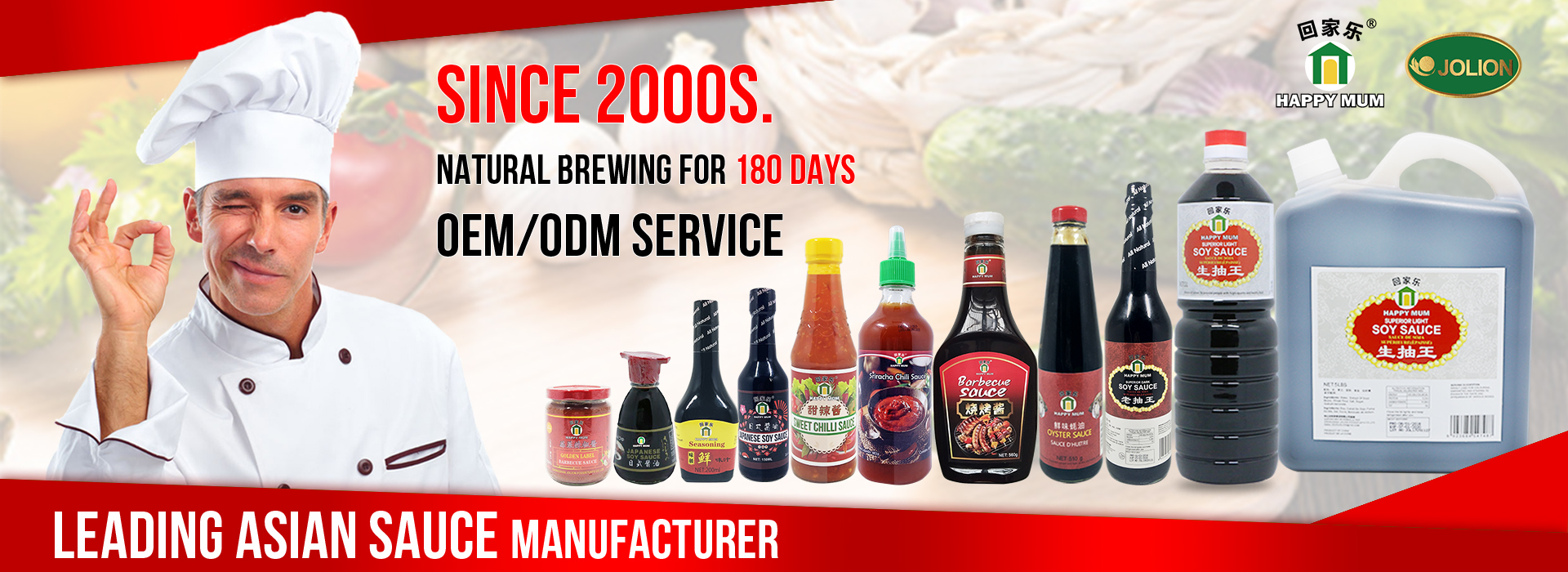
As consumer awareness about pet safety grows, our clients increasingly ask how we address concerns around can dogs eat food with seasoning in our manufacturing processes. At JOLION Foods, we recognize that responsible food production includes understanding how our products fit into households where pets are family members. As an OEM sauce manufacturer, we offer comprehensive OEM and ODM services to clients worldwide, including Fortune Global 500 companies. Our expertise allows us to develop custom formulations that meet specific safety requirements, whether for human consumption with pet-safe considerations or dedicated pet treat applications.
Partnering with a Trusted Manufacturer
When you choose JOLION Foods for your own brand, you gain a partner who understands that ingredient safety extends beyond human consumers. We bring decades of manufacturing excellence to every collaboration, ensuring your products meet the highest standards of quality, transparency, and consumer trust. Let us help you navigate complex formulation decisions—because the question of can dogs eat food with seasoning deserves answers backed by expertise and integrity.
Related News
- Sep 30, 2026Can You Freeze Egg Noodles?
- Sep 30, 2026How Long Does Soy Sauce Last? Does Soy Sauce Need Refrigeration?
- Aug 06, 2026Low Sodium Soy Sauce: Is It Actually Healthier, and How Does It Compare to Light Soy Sauce?
- Aug 06, 2026Is MSG Bad for You? The Science-Backed Truth About Monosodium Glutamate Side Effects
- Jun 01, 2026How Long Does Canned Pineapple Last: A Complete Guide
- Jun 01, 2026How Long Does Canned Fruit Last? A Complete Guide
Start Your Seasoning Sauce Business by a Free Quote
GET FREE QUOTES
If you are interested in our services, let's have a try on the first project